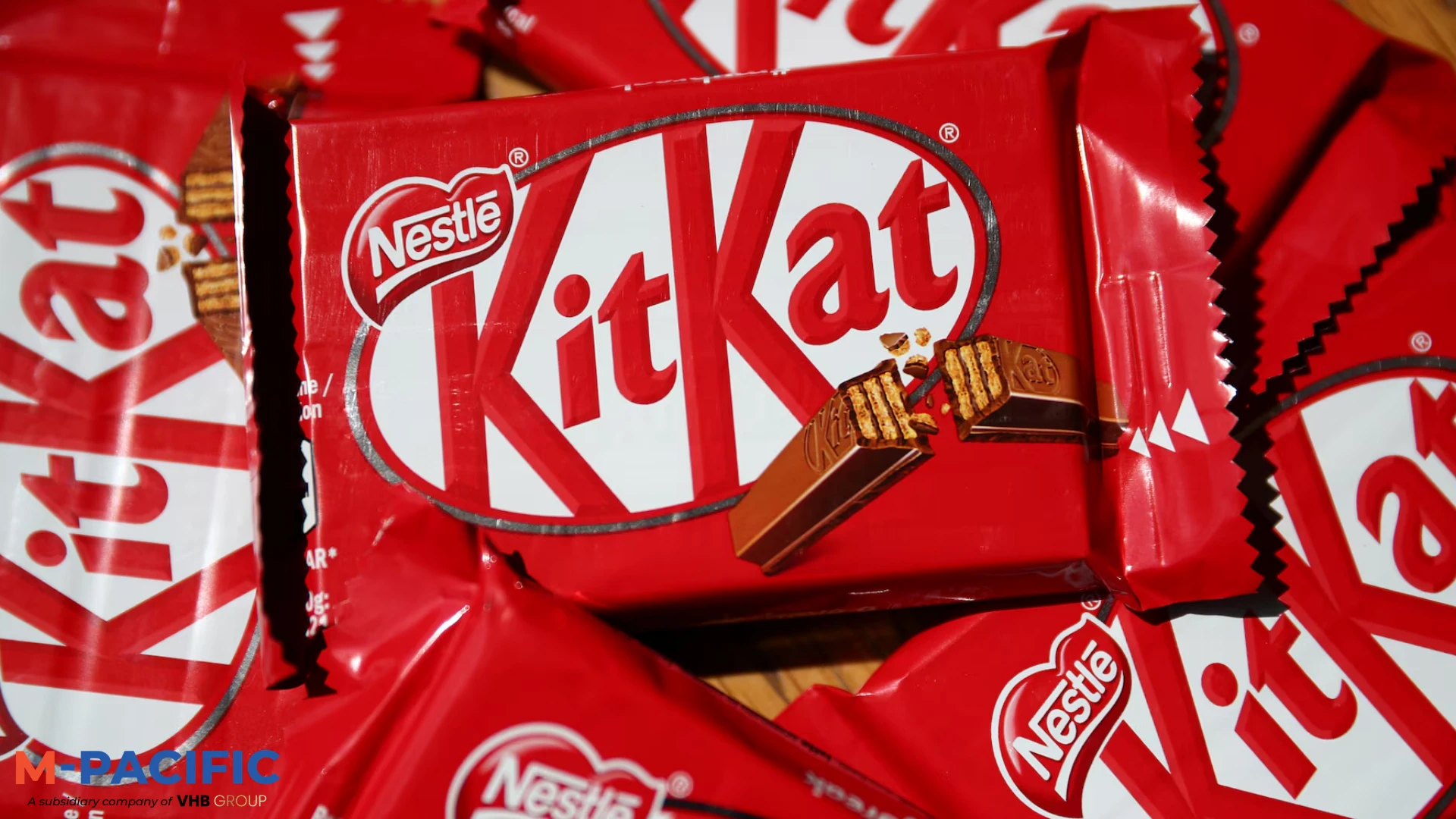
Sourcing Bulk Kit Kat Candy Special SKUs has become a critical strategy for confectionery wholesalers, specialty retailers, and high-volume distributors looking to diversify their inventory and capture high-margin impulse purchases. In the fast-moving consumer goods (FMCG) market, and specifically within the competitive global confectionery industry, relying solely on standard checkout-lane candy bars is no longer enough to maintain a distinct competitive edge. To satisfy modern consumer demand for novelty and international flavors, commercial buyers must look beyond standard configurations to specialized inventory solutions.
By establishing a reliable supply chain for a diversified bulk Kit Kat candy supply, merchants can capitalize on highly sought-after product variations. These unique SKU types often command premium retail prices, yielding significantly higher profit margins compared to traditional 4-finger milk chocolate bars. This comprehensive guide details how to navigate the complex world of specialty confection sourcing, optimize your warehousing, and select the highest-converting SKUs for your target market.
Table of Contents
- What Exactly Are Bulk Kit Kat Candy Special SKUs?
- Why Wholesalers Prefer Bulk Kit Kat Candy Special SKUs
- Predicting Demand for Seasonal Bulk Kit Kat Candy Special SKUs
- Classifying Specialty SKUs: Regional, Seasonal, and Alternative Packaging
- How to Manage Logistics for Bulk Kit Kat Candy Special SKUs
- Performance Comparison: Standard vs. Specialty SKUs
- Frequently Asked Questions
- Conclusion & Procurement Strategy
What Exactly Are Bulk Kit Kat Candy Special SKUs?
In the wholesale snack industry, a Stock Keeping Unit (SKU) identifies unique product variations based on flavor, size, packaging, and target demographic. Standard SKUs typically cover everyday single-serve bars found at standard grocery checkout aisles. In contrast, Bulk Kit Kat Candy Special SKUs refer to non-standard, limited-edition, or regionally exclusive product runs. These include holiday-themed shapes (such as Easter bunnies, Halloween ghosts, or Christmas trees), bite-sized unwrapped bulk bags, club-store variety packs, and high-demand import varieties.
These specialized product runs are manufactured in restricted quantities, making them highly desirable but also more difficult to source consistently. Wholesalers and importers must understand that securing these configurations requires advanced planning, direct manufacturer relationships, or partnerships with licensed international distributors, such as The Hershey Company in the United States or Nestlé globally.

Why Wholesalers Prefer Bulk Kit Kat Candy Special SKUs
The primary driver for procuring Bulk Kit Kat Candy Special SKUs is margin insulation. Standard chocolate bars are highly commoditized, meaning price competition among retailers is fierce and margins are razor-thin. Specialty SKUs, however, target passionate consumer niches, collectors, and seasonal shoppers who are less price-sensitive. When a consumer encounters a rare import flavor like Matcha Green Tea or a seasonal pumpkin-shaped wafer, the perceived value increases significantly.
Additionally, specialty SKUs help distributors build exclusivity. If your wholesale firm can reliably supply regional Japanese Kit Kat varieties or bulk collections of miniature holiday shapes to local gourmet stores and independent supermarkets, you become an indispensable partner in their supply chain. This exclusivity shifts the buyer-seller dynamic, allowing you to secure larger minimum order quantities (MOQs) and longer-term supply contracts.

Predicting Demand for Seasonal Bulk Kit Kat Candy Special SKUs
Seasonal product cycles present both massive revenue opportunities and serious inventory risks. To successfully stock seasonal Bulk Kit Kat Candy Special SKUs, sourcing managers must operate on a 6-to-9-month lead time. Holiday-themed items, such as Valentine’s Day Raspberry or Halloween Pumpkin Pie varieties, must land in regional warehouses weeks before they appear on retail shelves.
Failing to accurately predict demand can lead to two main issues: stockouts during peak shopping weeks or post-holiday excess inventory that must be heavily discounted. Distributors use predictive analytics, historical regional sales data, and early booking programs with manufacturers to balance their inventory levels and safeguard their bottom line.
Classifying Specialty SKUs: Regional, Seasonal, and Alternative Packaging
Not all specialty SKUs are created equal. Grouping your inventory categories helps your purchasing team select the optimal product mix for your specific market demographic:
- Regional & Import Exclusives: These are primarily driven by Japanese Kit Kat varieties (such as Sake, Wasabi, or Sweet Potato). They rely heavily on the “Omiyage” gifting culture and appeal to international food stores, trendy urban boutiques, and online snack subscription boxes.
- Seasonal & Holiday Configurations: These include specialized shapes and holiday-specific color palettes. They are highly time-sensitive but generate rapid sell-through rates during autumn and spring.
- Industrial & Food Service Packs: These consist of unwrapped, broken, or miniature Kit Kats packaged in heavy-duty 10lb to 25lb boxes. They are designed for commercial bakeries, ice cream chains, and large-scale catering operations.

How to Manage Logistics for Bulk Kit Kat Candy Special SKUs
Managing the shipping and storage of premium chocolate products requires meticulous operational control. Because chocolate melts easily and wafers absorb ambient humidity, standard shipping methods are rarely sufficient for high-value Bulk Kit Kat Candy Special SKUs.
Implementing a strict cold-chain logistics workflow is essential. During transport, vehicles must maintain a consistent climate controlled between 15°C and 18°C (59°F to 64°F) with relative humidity levels kept below 50%. Any temperature spikes can cause fat bloom, a cosmetic defect where cocoa butter separates and creates a white, dusty film on the chocolate. While bloomed chocolate remains safe to eat, it is visually unappealing and will likely be rejected by retail quality assurance teams, resulting in costly chargebacks.

Performance Comparison: Standard vs. Specialty SKUs
To help guide your purchasing decisions, the table below compares the performance metrics of standard grocery checkout lane SKUs with those of specialized commercial configurations:
| Metric Type | Standard Retail SKUs | Specialty & Import SKUs |
|---|---|---|
| Average Profit Margin | 12% – 18% | 30% – 45% |
| Shelf Life Profile | 10 – 12 Months | 6 – 9 Months (due to unique ingredients) |
| Temperature Sensitivity | Moderate (Standard milk chocolate) | High (Complex fats & white chocolate bases) |
| Target Retail Outlets | Supermarkets, Gas Stations, Big Box | Boutiques, Gift Shops, Gourmet Stores |
Frequently Asked Questions
Below are some of the most common questions from wholesale candy buyers regarding sourcing specialized product lines:
What is the minimum order quantity (MOQ) for importing special SKUs?
MOQs vary depending on the manufacturer and distributor. For domestic seasonal SKUs, orders typically start at single pallet quantities. For imported international varieties, importers often require full-container loads (FCL) or multi-pallet consolidated air freight to keep shipping costs manageable.
How can I verify the authenticity of Japanese Kit Kat imports?
Authentic imports should feature original Japanese packaging alongside a compliant English nutritional and ingredient translation label applied by the importer. Always buy from registered trading companies to ensure compliance with local FDA or food safety regulations.
Can I order customized Kit Kat SKUs directly from the manufacturer?
Direct customization is typically reserved for major corporate partnerships and requires extraordinarily high production volumes. Wholesalers generally select from pre-designed seasonal catalogs and regional product catalogs provided by the brand owners.
Conclusion & Procurement Strategy
Sourcing Bulk Kit Kat Candy Special SKUs is an excellent way for distributors to expand their catalog, capture higher-margin sales, and build lasting partnerships with retail clients. While managing these products requires careful planning, strict temperature control, and a strong understanding of seasonal demand, the financial rewards make it a highly worthwhile investment.
Ready to upgrade your inventory strategy and secure premium confectionery lines? Partner with a trusted distributor today to secure your allocations of high-demand, high-margin, and hard-to-find chocolate products. Reach out to our logistics and procurement experts to streamline your wholesale specialty candy sourcing.