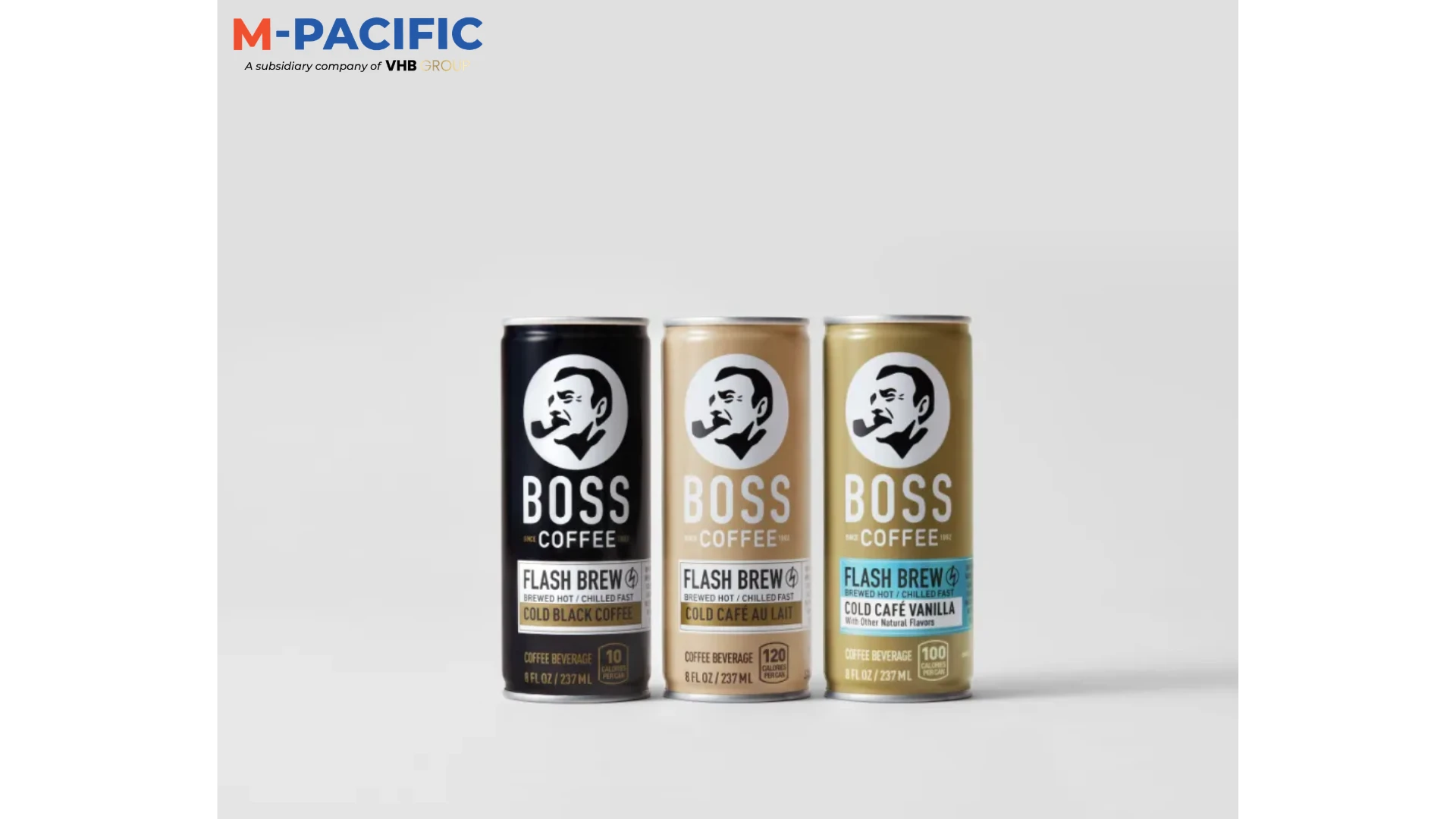
Navigating the global Boss Coffee Canned Distribute Channel Network is essential for B2B beverage importers, master wholesalers, and regional distributors seeking to establish an efficient, low-cost supply chain for Japanese ready-to-drink (RTD) coffee. Manufactured by Suntory Beverage & Food, Boss Coffee is predominantly produced in centralized Japanese bottling facilities to protect its proprietary flash-brewing techniques.
Importing this high-demand beverage requires coordinating across multi-tiered trade channels—from factory-authorized trading houses and FMCG export consolidators to ocean freight forwarders and regional retail networks. When building your baseline Boss Coffee Canned Bulk procurement strategy, understanding how product flows through these distribution pathways prevents expensive port demurrage, eliminates stockouts, and secures maximum landed cost efficiency.
Table of Contents
- Understanding the Global Distribution Network Architecture
- Sourcing Nodes: Direct Factory Allocations vs. FMCG Consolidators
- Ocean Freight Logistics and Weight Optimization
- Customs Clearance, Documentation, and Tariff Codes
- Retail Alignment and Channel Management
- Commercial Procurement and Risk Mitigation Strategy
- Frequently Asked Questions (FAQ)
- Partner with Us to Streamline Your Supply Chain
1. Understanding the Global Distribution Network Architecture
Unlike domestic franchise bottling models where soft drinks are produced locally under license, Suntory maintains centralized domestic manufacturing for its core canned coffee variants in Japan. The Boss Coffee Canned Distribute Channel Network relies on specialized cross-border trade mechanisms to move finished cargo from major Japanese ports (such as Kobe, Yokohama, and Tokyo) to destination markets worldwide.
Export Dynamics and Secondary Trade Channels
While primary national distributors hold exclusive territorial agreements in select markets (e.g., Australia and the USA), high international demand creates a robust secondary export market. Independent master FMCG consolidators purchase vast allocations directly from factory trading arms, enabling independent importers to access authentic stock without signing multi-million-dollar annual volume commitments.
To review the manufacturing quality standards that make these centralized Japanese facilities necessary, explore our guide on Boss Coffee Canned Japanese Origin certification.
2. Sourcing Nodes: Direct Factory Allocations vs. FMCG Consolidators
Commercial buyers must select the appropriate sourcing channel based on order volume, SKU diversity, and capital resources:
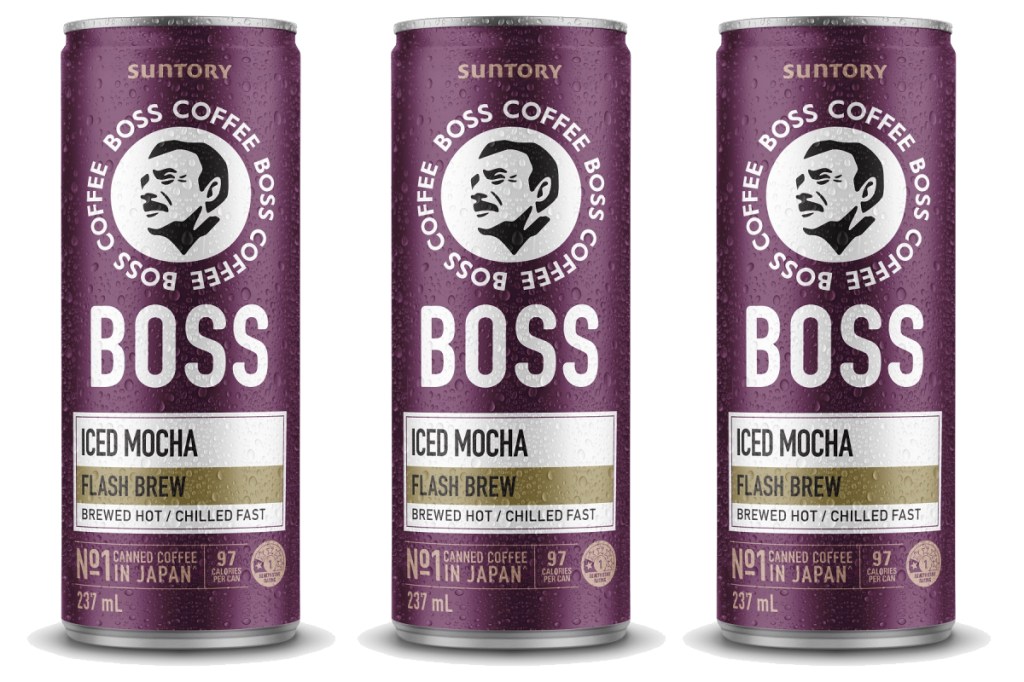
FMCG Export Consolidators
For mid-sized and growing distributors, partnering with licensed FMCG export consolidators offers significant operational advantages. Consolidators maintain extensive warehousing infrastructure near major origin ports, allowing buyers to order mixed-container loads combining Boss Coffee with other fast-moving beverage brands. This flexibility reduces financial exposure while allowing distributors to test new market segments.
Direct Factory Allocation Contracts
Direct procurement from Suntory or its primary export trading houses requires multi-container monthly commitments (10+ FCLs per month). While direct contracts offer the lowest per-case FOB pricing, they require substantial working capital and direct responsibility for ocean booking, marine insurance, and customs compliance.
| Channel Characteristic | Direct Factory Allocation | Master FMCG Export Consolidator |
| Minimum Order Quantity (MOQ) | High (10+ FCLs Annual Contract) | Flexible (1x20ft or 1x40ft FCL) |
| Container Loading Capability | Single SKU / High Volume | Multi-SKU & Multi-Brand Mix Allowed |
| Export Documentation Support | Standard Factory Invoicing | Full Custom Export Suite (CoA, COO, Health Cert) |
| Order Processing Lead Time | 30 to 60 Business Days | 7 to 14 Business Days |
3. Ocean Freight Logistics and Weight Optimization
Because canned coffee consists of liquid enclosed in metallic containers, ocean shipments are strictly weight-limited (“weigh out”) before physical container volume is exhausted. Managing freight economics requires precise payload calculations.
A standard 20ft ocean container has a maximum gross cargo weight allowance of approximately 21,500 kg to 22,000 kg depending on carrier regulations. Floor-loading (hand-stacking) tray cartons directly onto the container floor without wooden pallets increases total cargo capacity by 15% to 20%, lowering the net shipping cost per can. Review specific case pack weights in our detailed guide to Boss Coffee Canned Special Roast SKUs.
4. Customs Clearance, Documentation, and Tariff Codes
Preventing port delays and expensive demurrage fines requires pre-clearing import documentation with local customs authorities and health agencies like the U.S. FDA. Essential trade documentation includes:
- Commercial Invoice & Detailed Packing List: Highlighting exact batch numbers, net/gross weights, and unit values.
- Certificate of Origin (COO): Validating manufacturing origin with the Japanese Chamber of Commerce and Industry (JCCI).
- Certificate of Analysis (CoA): Confirming microbiological safety, caffeine levels, and ingredient breakdown according to destination health regulations.
- Harmonized System (HS) Code: Canned coffee drinks are classified under HS 2202.99 or HS 2101.12.
5. Retail Alignment and Channel Management
Once cargo arrives at the destination discharge port, regional distributors push inventory into distinct end-user retail channels:
- Convenience & Gas Stations: High impulse purchase velocity for single 185g steel cans and 250ml sleek cans placed in refrigeration display units.
- Modern Trade & Supermarkets: High-volume multi-pack sales (6-can or 12-can shrink-wrapped packs) targeting home and office consumption.
- HoReCa & Automated Vending: Contractual supply for specialty Asian restaurants, corporate cafeterias, and automated office vending machines.

6. Commercial Procurement and Risk Mitigation Strategy
To maximize profitability within the distribution channel, importers should combine high-demand core SKUs (Rainbow Mountain) with premium niche variants (Flash Brew Black) in mixed container shipments. Establishing clear Incoterms 2020 agreements—preferably Free On Board (FOB) at Japanese origin ports—gives buyers ultimate control over ocean carrier freight rates, transit routing, and marine insurance.
Furthermore, ocean freight reliability between East Asia and global port hubs relies on proactive inventory planning. Ordering safety stock 45 to 60 days prior to major seasonal peaks (such as summer beverage surges and holiday retail campaigns) prevents out-of-stock scenarios during peak sales windows.
8. Partner with Us to Streamline Your Supply Chain
Mastering the Boss Coffee Canned Distribute Channel Network guarantees seamless procurement, optimized freight overheads, and reliable inventory supply for your distribution business. Contact our commercial trade sales team today to request wholesale pricing, discuss container allocations, and build your custom supply contract.
Disclaimer: Unless otherwise stated, brand names, logos, and trademarks mentioned in this article (including Boss Coffee and Suntory) are the property of their respective owners. They are used here strictly for informational and B2B educational purposes.
Boss Coffee Distribution Network FAQ
Centralized Japanese manufacturing protects Suntory’s proprietary flash-brewing techniques and quality standards, ensuring global product consistency.Consolidators offer flexible MOQs (1x20ft FCL) and multi-SKU mixed containers with lead times of 7 to 14 days, compared to high volume commitments required by direct factory contracts.Main origin export dispatches clear through major Japanese port terminals including Kobe, Yokohama, and Tokyo.Hand-stacking tray cartons directly on the container floor removes wooden pallets, increasing cargo weight capacity by 15% to 20% and lowering net freight cost per unit.Boss Coffee shipments are declared under HS Code 2202.99 (other non-alcoholic beverages) or HS Code 2101.12 (preparations with a basis of coffee extracts).Pre-clearing a documentation suite containing the Certificate of Analysis (CoA), Certificate of Origin (COO), Commercial Invoice, and Packing List ensures smooth customs release.Free On Board (FOB) at Japanese origin ports gives buyers control over ocean freight rates, vessel selection, transit routes, and marine insurance.Target single-serve cans for convenience store chillers, shrink-wrapped multi-packs for supermarkets, and durable 185g steel cans for automated vending networks.Ordering inventory 45 to 60 days in advance protects against supply chain bottlenecks prior to major summer surges and holiday retail campaigns.Wholesale buyers can contact our commercial trade team to negotiate shipping terms, schedule mixed FCL loads, and secure bulk pricing.
Disclaimer: Unless otherwise stated, the images used in this article are the property of their respective owners. We do not claim ownership of any third-party images featured, and they are used here strictly for informational and educational purposes. If you are the copyright holder and wish to have an image removed, please contact us.