Understanding the Red Bull Energy Drink Sourcing Origin is a critical factor for international B2B beverage buyers, import-export firms, and retail procurement managers. While Red Bull is recognized as a unified global brand, its manufacturing heritage splits into two distinct product lines: Austrian-manufactured carbonated stock (Red Bull GmbH) and Southeast Asian uncarbonated formulations (Krating Daeng).
When expanding your distribution network through Red Bull Energy Drink Wholesale orders, choosing the correct sourcing origin dictates product taste, packaging compliance, target retail demographic, and customs clearance procedures. This guide breaks down the technical, legal, and commercial differences between Austrian and Thai production origins.
Table of Contents
- The Two Pillars of Red Bull Origin History
- Austrian European Origin (Red Bull GmbH)
- Thai Origin (Krating Daeng / TC Pharmaceutical)
- Commercial Comparison Matrix: Austria vs. Thailand
- Logistics, Customs, and Tariff Considerations by Origin
- Frequently Asked Questions (FAQ)
- Conclusion and Sourcing Recommendations
1. The Two Pillars of Red Bull Origin History
The story of Red Bull began in Thailand in 1976 when Chaleo Yoovidhya formulated Krating Daeng (“Red Bull” in Thai), a non-carbonated tonic designed to boost alertness among rural truck drivers and factory workers. In 1984, Austrian entrepreneur Dietrich Mateschitz partnered with Yoovidhya to modify the recipe for Western palates—adding carbonation, refining the flavor, and launching Red Bull GmbH in Austria in 1987.
Today, these two product branches serve completely different commercial distribution channels globally.
2. Austrian European Origin (Red Bull GmbH)
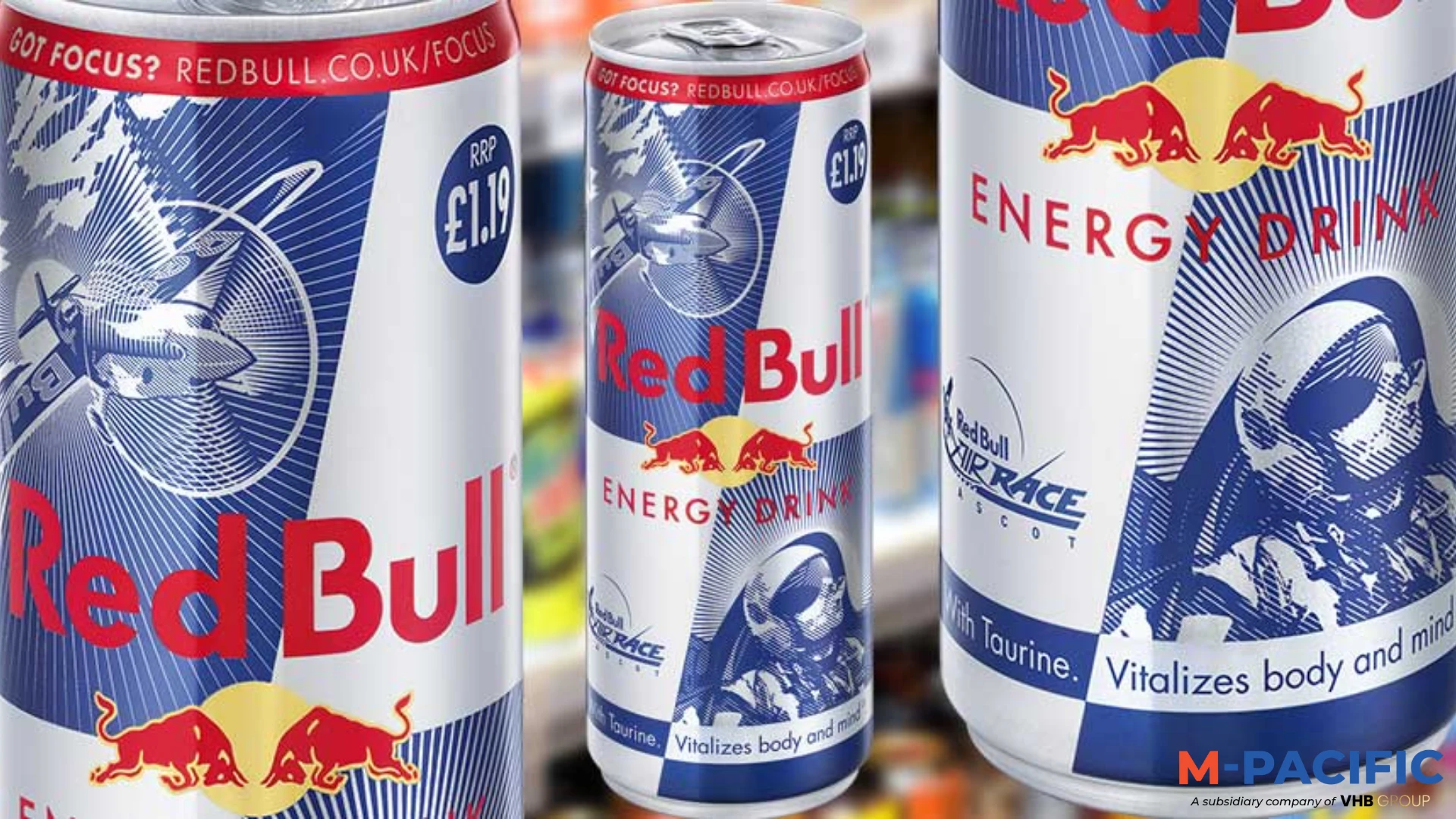
Austrian production accounts for the vast majority of international volume sold across Europe, the Americas, Australasia, and the Middle East.
Key Characteristics of Austrian Origin
- Carbonation: Crisp, light carbonation that provides a refreshing mouthfeel.
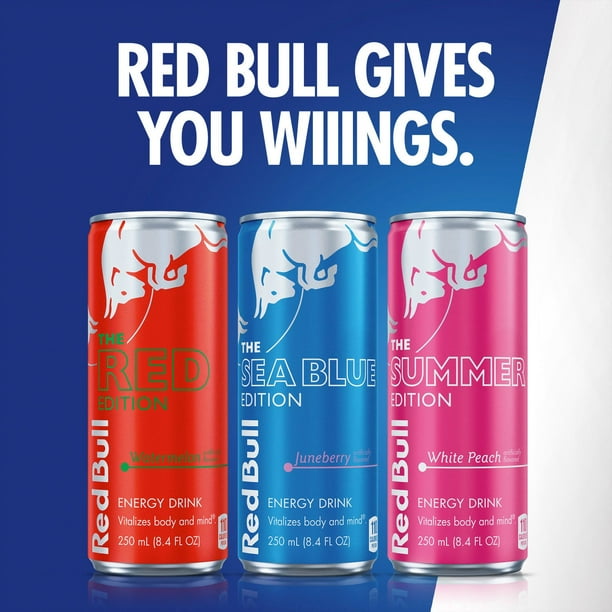
- Packaging: 250ml, 355ml, and 473ml aluminum slim cans with blue-and-silver branding.
- Ingredients: Formulated with high-grade caffeine (80mg per 250ml), taurine, B-complex vitamins, and real Alpine water sourced from Austrian and Swiss bottling facilities.
- Target Channels: High-end supermarkets, convenience store chillers, gas station forecourts, nightlife venues, and athletic events.
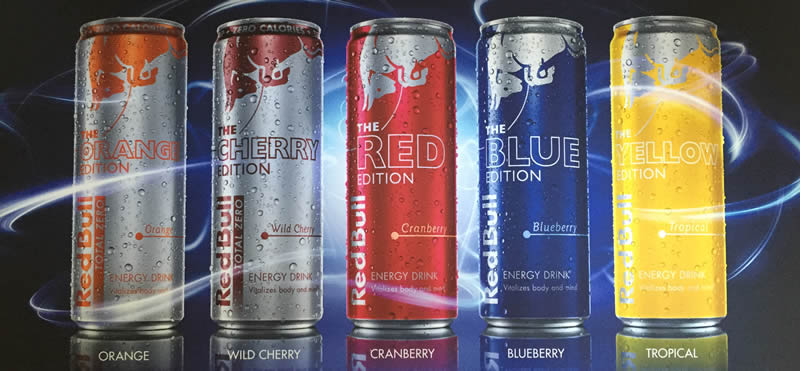
Importers can explore packaging variations in our guide on Red Bull Energy Drink Special Can SKUs.
3. Thai Origin (Krating Daeng / TC Pharmaceutical)
Krating Daeng remains a cultural icon across Southeast Asia, exported extensively across Asia and to specialty ethnic channels worldwide.
Key Characteristics of Thai Origin
- Carbonation: Non-carbonated (still liquid).
- Packaging: 150ml amber glass bottles with yellow-and-red labels, or 250ml gold aluminum cans.
- Ingredients: Features a higher concentration of sugar and B-vitamins with a sweeter, uncarbonated syrup profile.
- Target Channels: Traditional trade bazaars, specialty Asian supermarkets, industrial worksites, and budget retail outlets.
4. Commercial Comparison Matrix: Austria vs. Thailand
| Sourcing Parameter | Austrian Origin (Red Bull GmbH) | Thai Origin (Krating Daeng) |
| Primary Manufacturing Location | Austria / Switzerland | Thailand |
| Liquid Characteristic | Carbonated, refreshing | Non-Carbonated, sweet/syrupy |
| Standard Packaging | 250ml Aluminum Slim Can | 150ml Glass Bottle / 250ml Gold Can |
| Global Resale Value | Premium MSRP | Budget / Mass-Market MSRP |
| Shelf Life | 24 Months | 12 to 18 Months |
| Standard HS Code | HS 2202.99 | HS 2202.99 |
5. Logistics, Customs, and Tariff Considerations by Origin
Selecting your Red Bull Energy Drink Sourcing Origin directly impacts international trade documentation and duty rates:
- Certificates of Origin (COO): Austrian exports carry European Union COO documentation, qualifying for specific tariff structures under Western free trade agreements. Thai exports carry ASEAN Form E or Form D certificates, reducing duties across Asian trade corridors.
- Freight Packaging Resilience: Aluminum cans from Austrian facilities are packed in corrugated 24-can trays ideal for hand-stacking floor loads in ocean containers. Glass bottle variants from Thailand require palletized handling to prevent breakage during transit.
For insights into global logistics routes, review our analysis of the Red Bull Energy Drink Distribute Channel Network.
7. Conclusion and Sourcing Recommendations
Understanding the Red Bull Energy Drink Sourcing Origin enables B2B buyers to align inventory with consumer expectations. For Western supermarket chains, gas stations, and nightlife distributors, Austrian-manufactured European stock is the standard choice. For budget Asian import channels or specialty ethnic markets, Thai Krating Daeng offers an attractive price point. Contact our trade sales team today to request origin-certified wholesale quotes and streamline your beverage supply chain.
Red Bull Sourcing Origin FAQ
Disclaimer: Unless otherwise stated, the images used in this article are the property of their respective owners. We do not claim ownership of any third-party images featured, and they are used here strictly for informational and educational purposes. If you are the copyright holder and wish to have an image removed, please contact us.