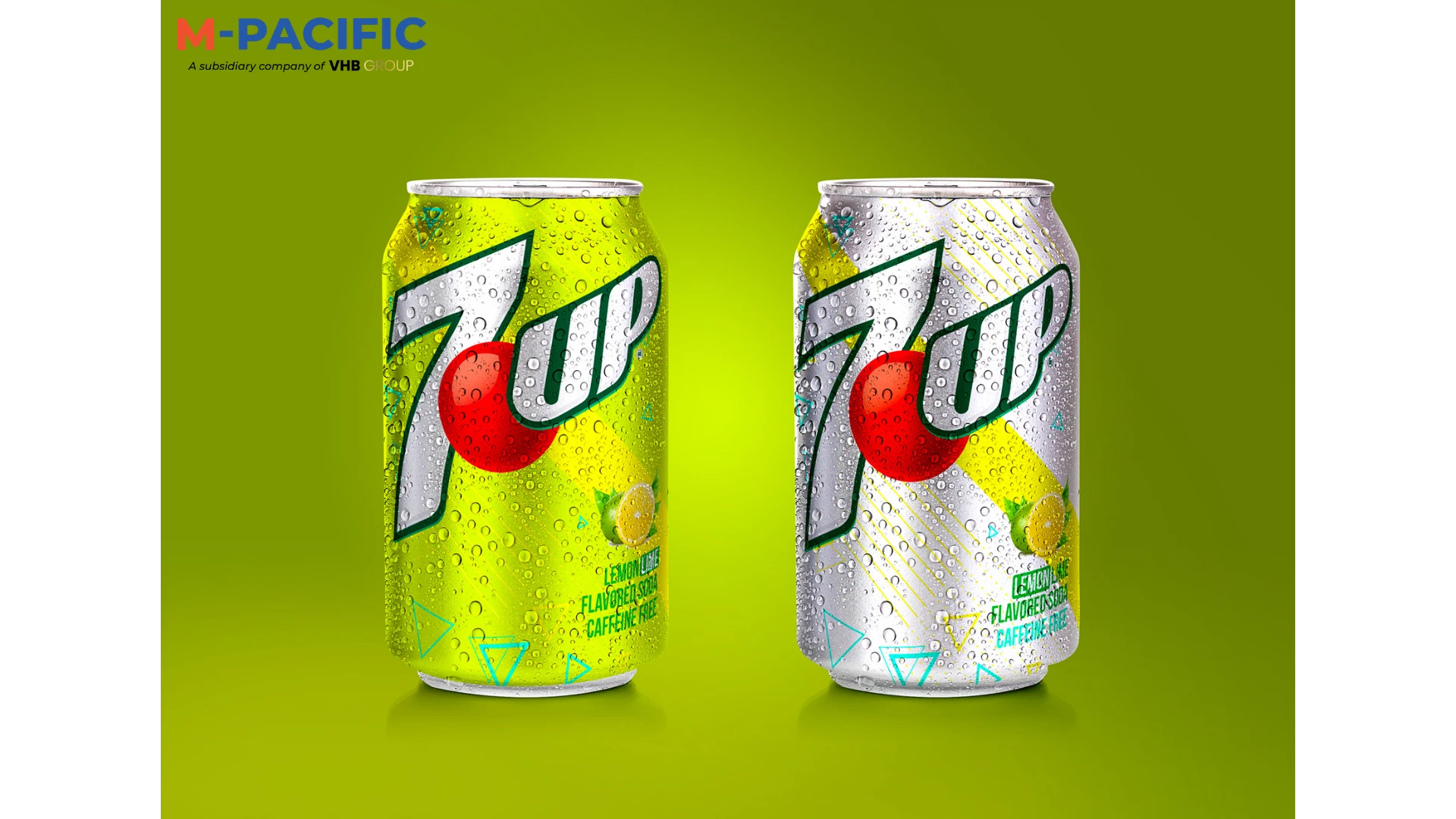
Analyzing 7 Up Soft Drink Refreshment Facts provides essential technical intelligence for B2B beverage importers, retail buyers, and FMCG procurement managers. When structuring procurement orders for 7 Up Soft Drink Wholesale stock, understanding the physical chemistry, soluble sugar levels (Brix degrees), carbonation pressure, caffeine-free status, and sweetener formulations of 7 Up enables buyers to ensure compliance with destination country food safety standards and localized sugar-tax regulations.
This technical cluster guide analyzes the formulation science, sensory attributes, carbonation stability, and nutritional compliance parameters that define 7 Up’s global product lineup.
Table of Contents
- Formulation Chemistry: Sugar Brix, Citric Acid, and Zero Caffeine
- Carbonation Science and CO2 Pressure Stability in Transport
- Nutritional Facts, Sugar-Free Transitions, and Tax Compliance
- Comparative Refreshment Facts Across 7 Up Product Variants
- Frequently Asked Questions (FAQ)
- Conclusion and Sourcing Strategy
1. Formulation Chemistry: Sugar Brix, Citric Acid, and Zero Caffeine
The crisp, clean taste profile of 7 Up relies on a precise balance of carbohydrates, natural citrus extracts, and acidulation agents:
Soluble Carbohydrate Content (Brix Degrees)
Standard 7 Up Soft Drink Refreshment Facts Classic features a soluble sugar concentration of approximately 10.0° to 10.8° Brix (grams of sucrose equivalent per 100ml of liquid). Depending on regional manufacturing origin, bottling plants utilize sugar beet sucrose (European origin), natural cane sugar (Asian origin), or high-fructose corn syrup (HFCS-55, US origin).
Acidulation Profile and pH Level
7 Up utilizes citric acid and potassium/sodium citrate as its primary flavoring and buffering agents, yielding a finished pH level between 3.2 and 3.6. Unlike colas that use heavy phosphoric acid, citric acid provides a bright, natural citrus bite that complements 100% natural lemon and lime oils.
The 100% Caffeine-Free Advantage
7 Up contains zero caffeine, positioning it as an ideal non-stimulant beverage for children, health-conscious families, and late-night dining venues.
For detailed analysis of unique container designs that protect this clear formula, review our guide on 7 Up Soft Drink Unique Can SKUs.
2. Carbonation Science and CO2 Pressure Stability in Transport
Carbonation (CO2 dissolution) is fundamental to 7 Up’s refreshing mouthfeel. 7 Up is carbonated at high volumes between 3.7 and 4.0 volumes of CO2 (approximately 7.4 to 8.0 grams of dissolved carbon dioxide per liter of beverage).
- Pressure Dynamics in Temperature Fluctuations: Dissolved CO2 pressure increases proportionally with liquid temperature. At 4°C, a standard can maintains internal pressure of ~1.6 bar, rising to over 4.2 bar at 38°C.
- Packaging Barrier Performance: Aluminum cans maintain 100% carbonation pressure over 18 months. PET plastic bottles experience gradual CO2 migration through microscopic polymer pores, resulting in a recommended 9 to 12-month shelf life limit.

3. Nutritional Facts, Sugar-Free Transitions, and Tax Compliance
Governments worldwide are enforcing public health legislation, including sugar-sweetened beverage (SSB) taxes. Understanding formulation facts helps importers navigate local import duties:
- 7 Up Classic: Contains ~40 kcal and ~10.0g of sugar per 100ml serving, subjecting it to standard SSB tax brackets in markets like the UK, EU, and Middle East.
- 7 Up Free / 7 Up Zero Sugar: Contains zero carbohydrates, zero sugar, and <2 kcal per 100ml, completely exempting it from sugar taxes while offering crisp lemon-lime refreshment.
Importers can explore regional bottling hub differences in our detailed guide on 7 Up Soft Drink Regional Origin dynamics.
4. Comparative Refreshment Facts Across 7 Up Product Variants
| 7 Up Variant | Energy per 100ml | Sugar Content per 100ml | Primary Sweetener Agent | Acidulant Agent | Carbonation Volume |
| 7 Up Classic | ~40 kcal / 170 kJ | ~10.0 g | Beet Sugar / Cane Sugar / HFCS | Citric Acid + Potassium Citrate | 3.8 Volumes CO2 |
| 7 Up Free / Zero | <2 kcal / 8 kJ | 0.0 g | Acesulfame K & Sucralose | Citric Acid + Sodium Citrate | 3.9 Volumes CO2 |
| 7 Up Mojito Free | <2 kcal / 8 kJ | 0.0 g | Acesulfame K + Mint Flavor | Citric Acid | 3.7 Volumes CO2 |
| 7 Up Nimbooz | ~44 kcal / 185 kJ | ~10.8 g | Real Lemon Juice + Sucrose | Citric Acid & Salt | 3.5 Volumes CO2 |
5. Conclusion and Sourcing Strategy
Mastering 7 Up Soft Drink Refreshment Facts enables B2B buyers to optimize inventory selection for localized sugar-tax laws and consumer preferences. By balancing full-sugar Classic stock with zero-sugar 7 Up Free, wholesalers can maximize sales velocity across diverse retail channels. Contact our commercial beverage export team today to request current technical product specifications and wholesale container quotes.
7 Up Refreshment Facts FAQ
Disclaimer: Unless otherwise stated, the images used in this article are the property of their respective owners. We do not claim ownership of any third-party images featured, and they are used here strictly for informational and educational purposes. If you are the copyright holder and wish to have an image removed, please contact us.