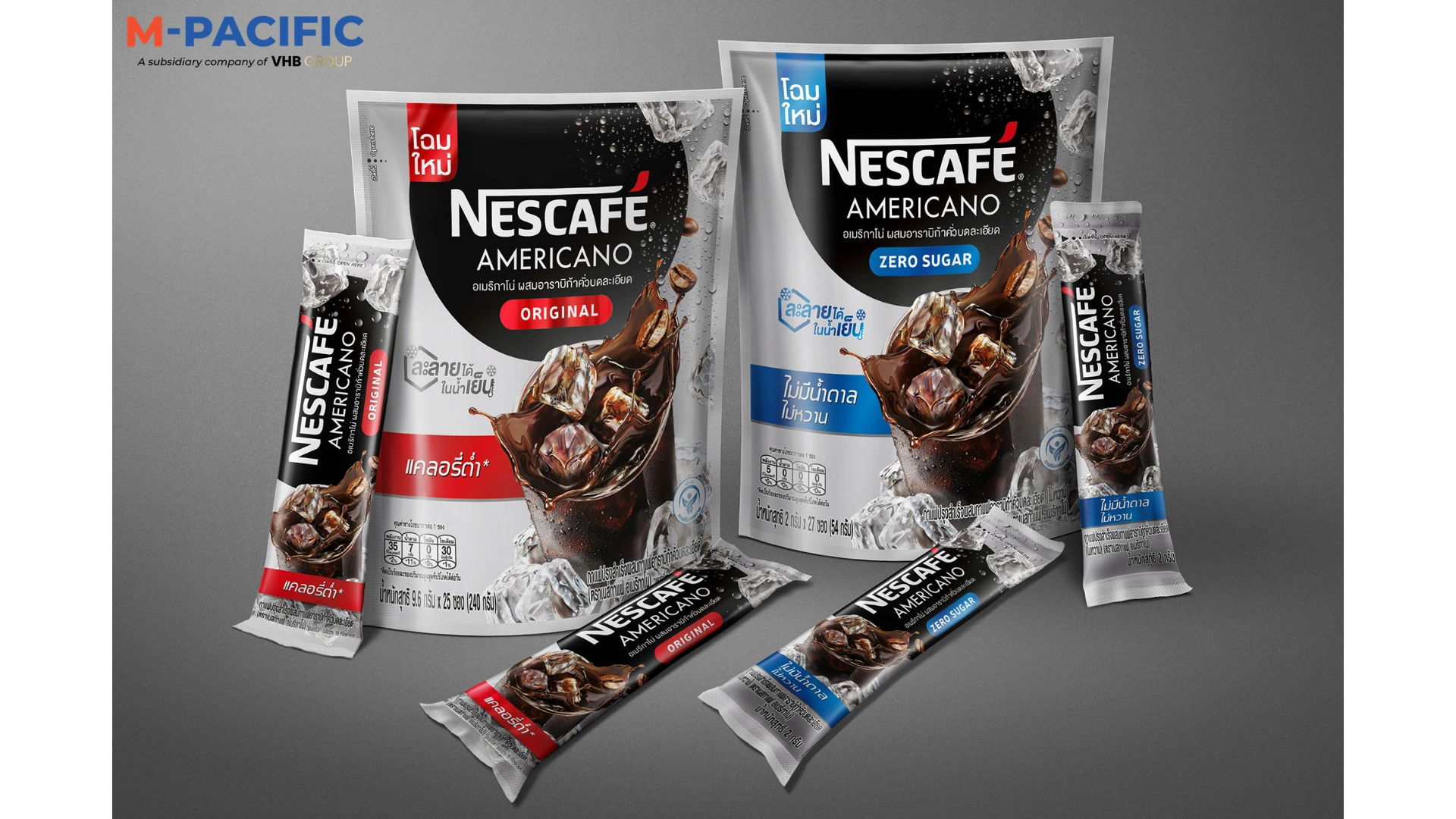
Analyzing the Nescafe Coffee Global Distribute Channel network provides a blueprint for how Nestlé maintains pervasive market distribution for its coffee products across retail and commercial channels worldwide. For FMCG sales directors, food service distributors, and institutional buyers, understanding Nescafé’s route-to-market (RTM) strategy reveals how multi-tiered distribution networks transport products from instant coffee manufacturing facilities to supermarket shelves, hotel chains, and automated vending networks.
Table of Contents
- Multi-Tiered Route-to-Market Architecture: Retail vs. Nestlé Professional
- Direct Food Service Delivery vs. Centralized Supermarket Distribution
- Channel Matrix: Modern Trade, Hotels & Hospitality, Vending, and Offices
- Temperature & Humidity Quality Management in Coffee Warehousing
- Digital Ordering Systems, Equipment Dispensing Integration, and Last-Mile Delivery
- Frequently Asked Questions (FAQ)

1. Multi-Tiered Route-to-Market Architecture: Retail vs. Nestlé Professional
Nescafe Coffee Global Distribute Channel operates two distinct commercial distribution arms to serve different global market segments:
- Retail Grocery Channel (FMCG): Distributes consumer-packaged Nescafé jars, refill pouches, and retail stick packs to hypermarkets, supermarkets, convenience stores, and e-commerce platforms.
- Nestlé Professional B2B Channel: Dedicated commercial division providing institutional coffee solutions, catering tins, automated dispensing machines, and beverage management services to hotels, restaurants, hospitals, and corporate offices.
2. Direct Food Service Delivery vs. Centralized Supermarket Distribution
Nescafé products move through two main physical distribution logistics pathways:
Centralized Supermarket Warehouse Distribution
For retail channels, full container loads (FCL) or full truckloads (FTL) of retail jars and pouches are shipped directly to supermarket central distribution centers. Supermarkets handle last-mile store delivery and shelf replenishment.
Direct-to-Account Food Service Distribution
For commercial accounts, Nestlé Professional partners with specialized food service distributors who deliver catering tins, stick packs, and liquid coffee concentrate directly to hotels, cafes, and workplace canteens alongside automated machine technical servicing.

3. Channel Matrix: Modern Trade, Hotels & Hospitality, Vending, and Offices
Different end-use channels require tailored packaging formats and logistics arrangements:
| Distribution Channel | Target Customer Outlets | Dominant Nescafé SKUs | Delivery Model | Relative Gross Margin |
| Modern Trade Retail | Hypermarkets, Supermarkets | 100g/200g Glass Jars, Pouches | Central Warehouse Distribution | Standard Volume Margins |
| Hotels & Hospitality | Hotel Chains, Resorts, Airlines | 1.8g Single-Serve Stick Packs | Food Service Distributors | High Unit Margin |
| Commercial Catering | Canteens, Hospitals, Banquets | 1kg / 2.4kg Catering Tins | Scheduled Bulk Delivery | High Volume Margin |
| Office & Workplace | Corporate Pantries, Boardrooms | 500g Tins & Beverage Systems | Nestlé Professional Direct | Service-Oriented Margin |
| Commercial Vending | Transit Hubs, Factories, Universities | 500g Vending Refill Pouches | Vending Operator Fleets | High Automated Margin |
4. Temperature & Humidity Quality Management in Coffee Warehousing
Instant coffee requires dry warehousing conditions to maintain granule integrity:
- Humidity Envelope: Warehouses must maintain relative humidity below 65% RH to prevent ambient water absorption if outer master cases are damaged.
- Temperature Stability: Ideal warehousing temperatures range between 15°C and 25°C. Exposure to heat sources must be avoided to prevent thermal degradation of aromatic volatile compounds.
- Pallet Stacking Integrity: Heavy master cases containing glass jars must be shrink-wrapped and corner-boarded to prevent pallet crushing during long-distance transport.

5. Digital Ordering Systems, Equipment Dispensing Integration, and Last-Mile Delivery
Modern Nescafé distribution channels rely on advanced technology integrations:
- Telemetry-Connected Vending Machines: Commercial Nescafé coffee machines feature cellular telemetry sensors that track real-time ingredient levels, automatically sending restocking alerts to operators before ingredients run out.
- Digital Merchant Platforms: B2B e-commerce portals allow hotel procurement officers and restaurant managers to reorder Nescafé stock and schedule dispenser maintenance from their smartphones.
Wholesale Nescafé Sourcing & Logistics FAQ
Disclaimer: Unless otherwise stated, the images used in this article are the property of their respective owners. We do not claim ownership of any third-party images featured, and they are used here strictly for informational and educational purposes. If you are the copyright holder and wish to have an image removed, please contact us.