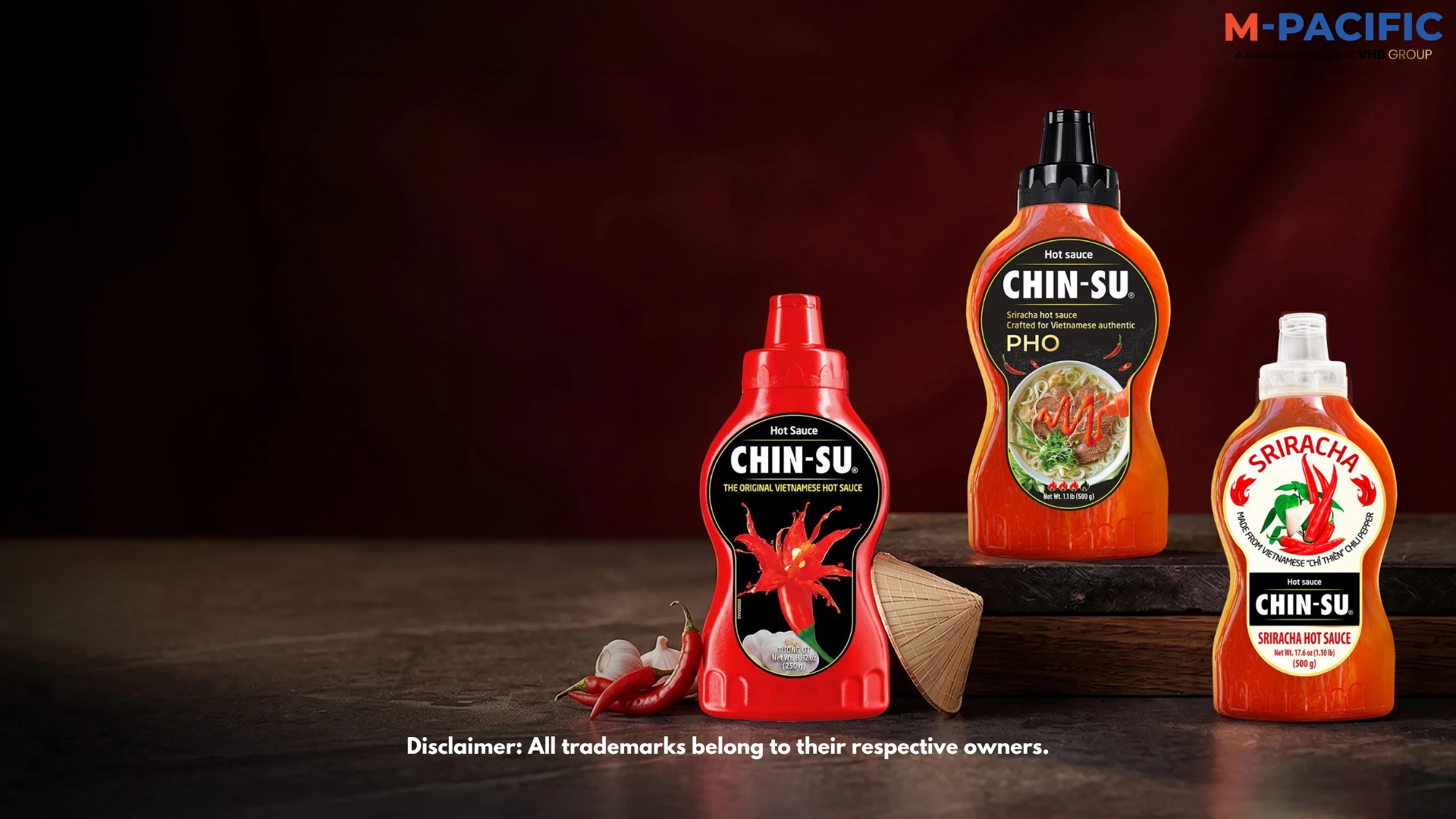
Analyzing the Chin-Su Chili Sauce Distribute Channel Network provides a detailed roadmap for moving high-velocity chili sauce from Masan Consumer manufacturing plants in Vietnam to global supermarket chains, traditional Asian grocery stores, and commercial food service networks. Building a resilient Route-to-Market (RTM) strategy requires navigating multi-tiered distribution layers—including Direct Store Delivery (DSD) fleets, dry ambient warehousing, HoReCa food service supply, and ocean freight logistics.
Optimizing these channels enables procurement directors and logistics managers at M-Pacific to lower landed freight costs, manage inventory turnover, prevent bottle leakage, and maximize gross profit margins across diverse retail outlets.
Table of Contents
- Analyzing the Multi-Tiered Chin-Su Route-to-Market Architecture
- Direct Store Delivery (DSD) vs. Centralized Supermarket Distribution
- Retail Channel Matrix: Modern Trade, Asian Grocery, and Food Service
- Traditional Asian Grocery Capillary Distribution
- Warehousing Controls, Ambient Storage, and Inventory Velocity
- Frequently Asked Questions (FAQ)
1. Analyzing the Multi-Tiered Chin-Su Route-to-Market Architecture
Masan Consumer operates a hybrid distribution model tailored to regional market infrastructure and retail density. The distribution pipeline operates across four primary structural layers:
[Masan Consumer Plants (Binh Duong / Nghe An)]
                       │
                       ▼
   [Primary Export Packaging & Logistics Hub]
    (250g, 500g, 1.0kg Squeeze Bottles)
                       │
       ┌───────────────┴───────────────┐
       ▼                               ▼
[Direct Supermarket DCs]        [FMCG Import Consolidators]
 (Centralized Retail Logistics)  (M-Pacific Wholesale Network)
       │                               │
       ▼                               ▼
[Hypermarkets & Asian Groceries][Restaurants, Food Trucks & HoReCa]
- Primary Manufacturing Stage: Masan Consumer plants in Vietnam process, bottle, and palletize master cases for domestic dispatch or ocean export.
- Master Import & Tier-1 Wholesale Stage: International master importers and FMCG consolidators like M-Pacific import full container loads (FCL), managing customs clearance, warehousing, and trade financing.
- Secondary Redistribution Stage: Tier-1 distributors supply regional sub-wholesalers, cash-and-carry hubs, and Asian food service suppliers.
- Last-Mile Retail Execution: Product flows into supermarket aisles, Asian grocery shelves, restaurant kitchens, and food trucks.
2. Direct Store Delivery (DSD) vs. Centralized Supermarket Distribution
Chin-Su distributors balance two main physical distribution channels:
Direct Store Delivery (DSD)
Under the DSD model, regional distributor fleets transport Chin-Su inventory directly from local warehouses to individual retail store shelves. Representatives manage shelf display setup, end-cap placement, and First-In, First-Out (FIFO) date rotation.
- Primary Advantage: Guarantees prime eye-level display positioning in high-traffic Asian grocery chains.
- Trade-Off: Incurs higher operational fleet expenses and localized labor overhead.
Centralized Supermarket Warehouse Distribution
Under centralized warehouse distribution, full truckloads (FTL) or 20ft ocean containers are shipped directly to the central distribution centers (DCs) of national hypermarket chains.
- Primary Advantage: Significantly lowers logistics distribution costs per case, enabling volume discounting.
- Trade-Off: Shifts store-level merchandising and shelf stocking responsibilities entirely to the retailer.
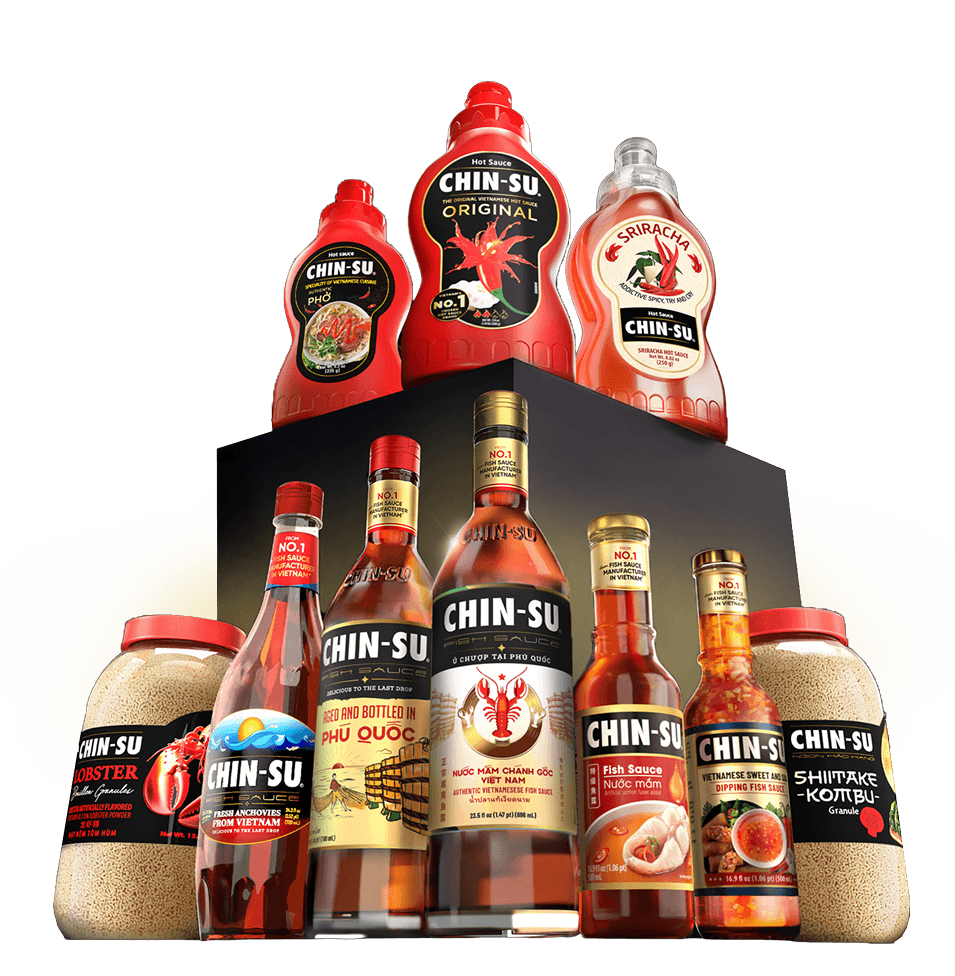
3. Retail Channel Matrix: Modern Trade, Asian Grocery, and Food Service
Different retail channels require tailored logistics setups, packaging formats, and delivery frequencies:
| Retail Channel | Target Outlets | Dominant Chin-Su SKUs | Delivery Model | Relative Gross Margin |
| Modern Trade | Hypermarkets & Supermarkets | 250g & 500g Squeeze Bottles | Central Warehouse FTL / FCL | Standard Volume Margins |
| Asian Grocery Trade | Traditional Asian Supermarkets | 500g Squeeze Bottles | Sub-Wholesalers / DSD | High Volume Niche Margin |
| Food Service / HoReCa | Pho Shops, Restaurants, Food Trucks | 1.0kg Commercial Squeeze | Food Service Distributors | High Volume Industrial Margin |
4. Traditional Asian Grocery Capillary Distribution
In international export markets across North America, Europe, and Australia, traditional Asian grocery stores represent a vital distribution channel:
Capillary Sub-Wholesaler Networks
Master distributors partner with localized sub-wholesalers operating in dense urban Asian commercial hubs (such as Little Saigon or Chinatown districts). These sub-wholesalers deliver mixed cases of Vietnamese condiments directly to independent grocery store owners.

5. Warehousing Controls, Ambient Storage, and Inventory Velocity
Maintaining sauce quality across warehouse networks requires systematic environmental controls:
- Ambient Storage Envelope: Chin-Su chili sauce is shelf-stable. Warehouses must maintain temperatures between 15°C and 25°C (59°F to 77°F) in dry, sheltered conditions away from direct sunlight. Storing above 35°C can cause natural red chili pigments to darken slightly over time.
- FIFO Inventory Rotation: Automated WMS systems enforce strict First-In, First-Out (FIFO) picking rules based on manufacturing timestamps, ensuring older stock is dispatched first.
Chin-Su Chili Sauce Special Bottle SKUs FAQ
Disclaimer: Unless otherwise stated, the images used in this article are the property of their respective owners. We do not claim ownership of any third-party images featured, and they are used here strictly for informational and educational purposes. If you are the copyright holder and wish to have an image removed, please contact us.