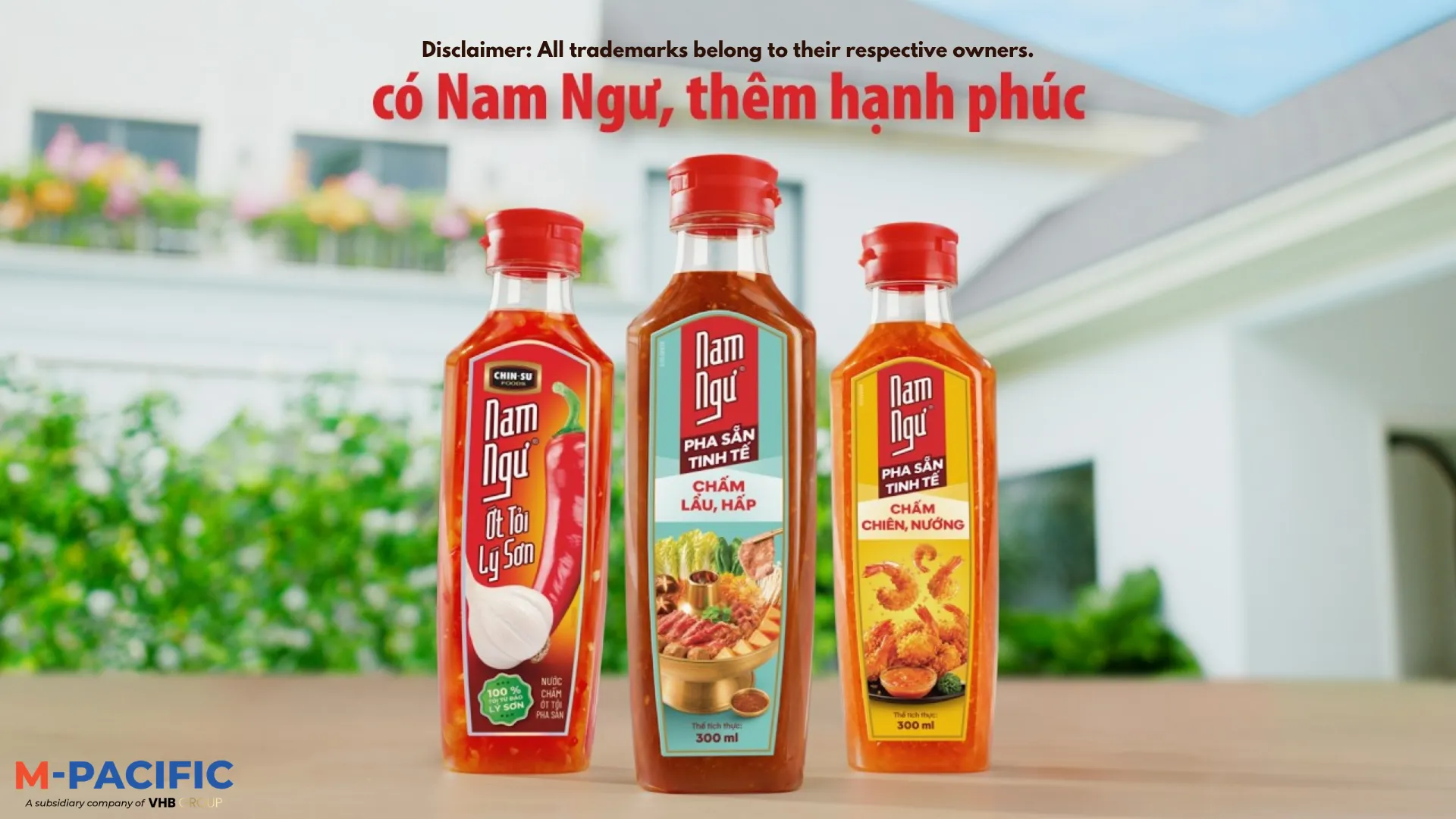
Evaluating Nam Ngư Fish Sauce Fermentation Facts provides essential technical data for food scientists, commercial chefs, flavor chemists, retail category managers, and wholesale importers. Understanding the autolytic anchovy proteolysis, nitrogen degree (°N) grading, natural histamine control, salt preservation physics, and amino acid profiling of Nam Ngư fish sauce is critical when evaluating savory flavor performance and regulatory compliance for international distribution.
Nam Ngư represents one of the world’s most scientifically standardized fermented fish sauces. Manufactured by Masan Consumer, Nam Ngư combines traditional wooden barrel anchovy aging with modern pasteurization and filtration technology. This technical guide analyzes the chemical, physical, and nutritional facts governing Nam Ngư fish sauce.
Table of Contents
- The Ancient Fermentation Science of Vietnamese Fish Sauce
- Autolytic Proteolysis: How Anchovy Enzymes Create Free Amino Acids
- Nitrogen Degrees (°N) and Amino Acid Profiling
- Histamine Formation Control and Food Safety Science
- Physical Salt Equilibrium, Color Stability, and Shelf-Life Physics
- Frequently Asked Questions (FAQ)
1. The Ancient Fermentation Science of Vietnamese Fish Sauce
Fish sauce (Nước Mắm) is one of the world’s oldest fermented umami condiments, dating back centuries in coastal Vietnam. Traditional fish sauce relies on combining fresh black anchovies (Stolephorus commersonii) with solar-evaporated sea salt in a 3:1 ratio inside large wooden barrels made from tropical hardwoods.
Masan Consumer modernized traditional fish sauce production by establishing ultra-clean fermentation facilities in Phu Quoc and Phan Thiet, combining traditional barrel aging with advanced quality control laboratories.
2. Autolytic Proteolysis: How Anchovy Enzymes Create Free Amino Acids
The conversion of solid anchovy fish tissue into liquid fish sauce is driven by autolytic proteolysis:
[Intact Anchovy Muscle Protein]
               │
               ▼
[Endogenous Gut Enzymes (Trypsin, Chymotrypsin, Pepsin)]
               │
               ▼
[Proteolytic Cleavage of Peptide Bonds]
               │
               ▼
[15+ Free Amino Acids (Glutamic Acid, Lysine, Alanine)]
- Endogenous Proteolytic Enzymes: Enzymes naturally present in the fish digestive tract (trypsin, pepsin, and peptidase) break down complex muscle proteins into short peptides and free amino acids.
- High-Salt Anaerobic Environment: Sea salt (20%+ concentration) prevents putrefactive bacterial spoilage while allowing natural digestive enzymes to break down proteins over a 12-month barrel aging cycle.
3. Nitrogen Degrees (°N) and Amino Acid Profiling
The commercial quality and flavor depth of fish sauce are quantified by Total Nitrogen Content, expressed in Degrees Nitrogen (°N) representing grams of nitrogen per liter of sauce:
- Amino Acid Richness: Nam Ngư contains over 15 essential and non-essential amino acids. Glutamic acid provides the foundational umami taste, while alanine and glycine contribute natural sweetness.
- Organic Nitrogen Ratio: High-quality fish sauce maintains an Amino Acid Nitrogen to Total Nitrogen ratio above 50%, guaranteeing that savory flavor stems from natural fish protein breakdown rather than added inorganic nitrogen.
4. Histamine Formation Control and Food Safety Science
Histamine is a biogenic amine produced when histamine-decarbonxylating bacteria break down histidine amino acids in fish muscle during post-harvest handling. High histamine levels can trigger allergic reactions (scombroid poisoning) in consumers.
- Immediate On-Deck Salting: Nam Ngư controls histamine at origin by salting fresh anchovies directly on fishing boats immediately after catching. Immediate salting halts bacterial growth, keeping histamine levels strictly below 200 ppm to satisfy US FDA and European Commission import safety limits.
5. Physical Salt Equilibrium, Color Stability, and Shelf-Life Physics
Nam Ngư fish sauce relies on physical chemistry to maintain color clarity and shelf stability:
- Natural Amber Oxidation: Freshly drawn fish sauce exhibits a clear golden-amber color. Over time, exposure to light and oxygen causes mild natural Maillard browning, darkening the liquid to a deep amber-brown. This is a natural physical reaction and does not indicate spoilage.
- Microbiological Sterility: High salt concentration ($a_w < 0.75$) creates high osmotic pressure that dehydrates microbial cells, rendering the sauce naturally sterile without chemical preservatives.
Nam Ngư Fish Sauce Fermentation Facts FAQ
Disclaimer: Unless otherwise stated, the images used in this article are the property of their respective owners. We do not claim ownership of any third-party images featured, and they are used here strictly for informational and educational purposes. If you are the copyright holder and wish to have an image removed, please contact us.