Navigating the complex landscape of Monster Energy Wholesale Distribution is essential for beverage distributors, retail chains, and global importers looking to capture high-margin returns in the booming global energy drink sector. The global energy drink market is projected to surpass $100 billion by the late 2020s, driven by an insatiable global demand for functional beverages, sports-centric lifestyle drinks, and high-performance energy formulas. At the center of this industry-wide explosion stands Monster Beverage Corporation. Since its strategic alignment with The Coca-Cola Company, which manages much of its global bottling and logistics infrastructure, Monster has cemented itself as an undisputed market leader. For wholesalers, securing a reliable, cost-effective pipeline of Monster Energy products is a foundational step toward capturing reliable retail margins, driving high volume turnover, and satisfying a highly loyal customer base.
This comprehensive B2B pillar guide provides an exhaustive exploration of the Monster Energy wholesale ecosystem. Whether you are an international import-export enterprise, a large-scale regional retail chain, or an independent wholesale distributor looking to optimize your portfolio, this guide covers everything from logistical pallet configurations and SKU optimization to compliance frameworks, financial margin analysis, and strategic sourcing partnerships.
Table of Contents
- The Core Mechanics of Monster Energy Wholesale Distribution
- Global Supply Chain Dynamics in Monster Energy Wholesale Distribution
- Monster Energy Portfolio, Varieties, and Top-Selling SKUs
- Monster Energy Wholesale Distribution Pallet and Packaging Configurations
- Navigating the Financials of Monster Energy Wholesale Distribution
- Regulatory Compliance and Labeling in Monster Energy Wholesale Distribution
- Choosing the Right Partner for Monster Energy Wholesale Distribution
- B2B Buyer Intent & Procurement Process: A Step-by-Step Sourcing Guide
- Frequently Asked Questions (FAQ)

The Core Mechanics of Monster Energy Wholesale Distribution
Understanding how the wholesale distribution network of Monster Energy operates is crucial for any business seeking to optimize bulk sourcing. Unlike independent beverage brands that rely on fragmented distribution channels, Monster Beverage Corporation utilizes a highly sophisticated hybrid system. Since Coca-Cola acquired a 16.7% stake in Monster in 2015, the brand transferred its global distribution network almost entirely to the Coca-Cola Bottlers system. This integration allows Monster to utilize world-class logistics networks, direct-store-delivery (DSD) systems, and hyper-efficient regional warehousing.
For independent wholesalers and cross-border traders, this means that sourcing Monster Energy at wholesale is divided into two primary avenues: domestic direct-store-delivery networks and global import-export channels. Sourcing directly from regional Coca-Cola bottling partners typically requires extensive minimum order quantities (MOQs), strict territory restrictions, and contractual retail obligations. Conversely, sourcing through established, independent global trading firms—such as M-Pacific—provides businesses with greater flexibility in cross-border logistics, multi-SKU product consolidation, flexible pricing brackets, and relaxed territory limitations. This makes international wholesale distributors the preferred partner for importers and mid-market retail distributors worldwide.
Global Supply Chain Dynamics in Monster Energy Wholesale Distribution
Managing the supply chain logistics of high-density, liquid goods like energy drinks presents unique operational challenges. Beverages are heavy, low-to-mid value-by-weight products, meaning shipping efficiency can make or break retail and wholesale margins. In the realm of global import-export, shipping dynamics are strictly governed by international commercial terms (Incoterms) and standardized logistics configurations. For global trade, the most common incoterms include EXW (Ex Works), FOB (Free on Board), and CIF (Cost, Insurance, and Freight).
When executing international purchases of Monster Energy, distributors must coordinate carefully with their freight forwarders to minimize deadweight issues and optimize shipping container utilization. Because aluminum cans are susceptible to damage under extreme temperature variations and shifts in container pressure, professional logistics providers employ specific container packaging protocols. This includes the use of thermal blankets, heavy-duty cargo netting, and dunnage bags to absorb movement during maritime transit. Successful cross-border operations rely on partners who have deep experience managing high-volume container shipments and navigating complex customs clearance procedures at major international ports.
Regulatory Compliance and Labeling in Monster Energy Wholesale Distribution
A critical, often overlooked aspect of global wholesale distribution is regulatory compliance and label translation. A standard 16 fl. oz. (473ml) Monster Energy can manufactured for the United States domestic market will generally not meet EU, Middle Eastern, or Asian regulatory requirements without modification. Different jurisdictions have highly specific regulations regarding caffeine concentration limits, the inclusion of ingredients like taurine, L-carnitine, and glucuronolactone, and mandatory nutritional labeling systems (such as the EU Nutrition Declaration or regional front-of-pack warning labels).

For example, the European Food Safety Authority (EFSA) and local national watchdogs enforce strict limits on the levels of specific vitamins and stimulants allowed per serving. Importers operating in the global distribution space must work with a wholesale partner capable of providing over-labeling services. This process involves applying compliant, localized multi-language ingredient labels to every single can or case, ensuring that the imported beverage passes health department customs and local retail inspections seamlessly. Failure to address these regulatory frameworks can lead to costly customs seizures and severe financial losses.
Monster Energy Portfolio, Varieties, and Top-Selling SKUs
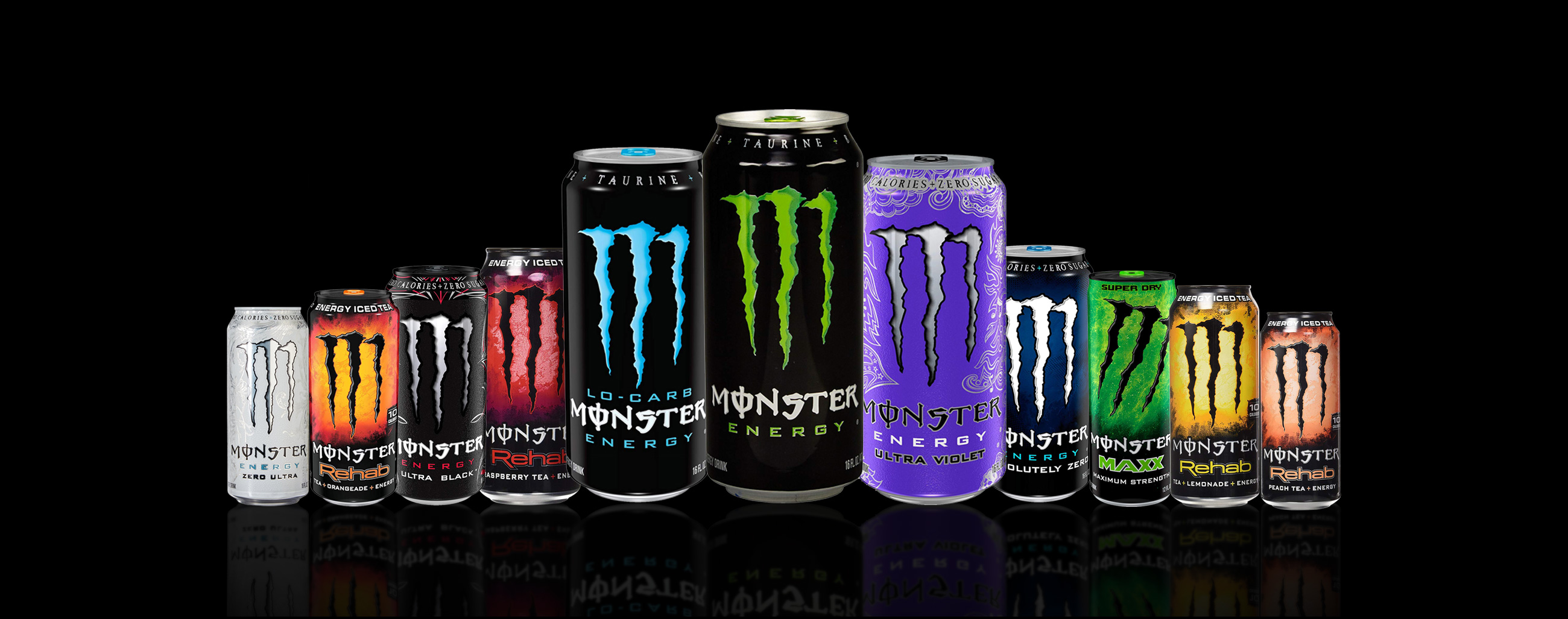
A major advantage of sourcing Monster Energy is the sheer breadth of its product line, which caters to highly diverse consumer demographics. From sugar-free options to performance hybrid beverages, a well-curated wholesale portfolio can satisfy multiple market segments simultaneously. Analyzing consumer trend data, such as market insights from Statista, helps wholesalers identify which SKUs command the highest velocity and profit margins.
Below is a comprehensive breakdown of the core Monster Energy product lines that wholesale buyers should prioritize when structuring their procurement orders:
| Product Line | Top Selling SKUs | Key Characteristics | Target Market Segment |
|---|---|---|---|
| Monster Energy Original | Original Green, Monster Import | Classic formula, high sugar/caffeine, signature green claw | Mass market, traditional energy drink consumers |
| Monster Ultra (Sugar-Free) | Ultra White (Zero), Ultra Gold, Ultra Paradise, Ultra Peachy Keen | Zero sugar, zero calories, lighter flavor profile, textured cans | Health-conscious consumers, female demographic, fitness enthusiasts |
| Juice Monster | Mango Loco, Pipeline Punch, Khaotic, Pacific Punch | Blended with real fruit juices, highly vibrant can artwork | Gen Z, casual beverage drinkers, consumers seeking premium taste profiles |
| Monster Rehab | Tea + Lemonade, Peach Tea, Wild Forest Tea | Non-carbonated, electrolyte-infused, brewed tea bases | Athletes, outdoor workers, post-recovery consumers |
| Java Monster | Mean Bean, Loca Moca, Salted Caramel | Premium coffee and cream blend, heavy RTD coffee play | Morning commuters, coffee lovers, alternative energy seekers |

By curating a mix of the classic Original Green and the fast-growing Monster Ultra and Juice lines, wholesalers can hedge against fluctuating consumer preferences and maximize their inventory turn rates. The sugar-free Ultra White, in particular, has become a global powerhouse, often matching or exceeding the volume demand of the original flavor in key Western markets.
Monster Energy Wholesale Distribution Pallet and Packaging Configurations
To maximize shipping efficiency, reduce transit damage, and achieve the lowest possible landed cost per unit, wholesale procurement managers must have an exact, mathematical understanding of the brand’s packaging and palletization configurations. Standard shipping volumes for energy drinks are measured in cases, pallets, and full container loads (FCLs). Sourcing drinks is essentially a game of weight optimization; because liquids are heavy, container payloads are almost always limited by weight restrictions long before the physical volume of the container is filled.
The standard US and European packaging specifications for Monster Energy are outlined in the table below:
| Logistical Unit | Standard Specification (US 16 oz / 473ml Cans) | Standard Specification (EU 500ml Cans) |
|---|---|---|
| Cans Per Case | 24 Cans (shrink-wrapped tray) | 24 Cans (shrink-wrapped tray) |
| Cases Per Pallet | 100 Cases to 120 Cases (depending on warehouse setup) | 99 Cases to 108 Cases (standard Euro Pallet configuration) |
| Pallet Dimensions | 40″ x 48″ (Standard US Pallet) | 800mm x 1200mm (Standard Euro EPAL) |
| Gross Pallet Weight | Approx. 1,150 kg (2,535 lbs) | Approx. 1,200 kg (2,645 lbs) |
| 20ft FCL Capacity | Approx. 10 – 11 Pallets (floor loaded: up to 2,000 cases) | Approx. 11 Euro Pallets (floor loaded: up to 1,900 cases) |
| 40ft FCL Capacity | Approx. 20 – 22 Pallets (subject to road weight regulations) | Approx. 24 Euro Pallets (weight limits strictly apply) |
Pro-Tip for International Importers: While palletized shipping is significantly faster to load and unload (reducing port demurrage and labor costs), “floor loading” is highly popular for shipping Monster Energy over long distances. Floor loading involves manually stacking the individual shrink-wrapped 24-can trays directly onto the container floor, eliminating pallet weight and wood volume. This method can increase the total case capacity of a 20ft container by up to 25%, drastically lowering the per-unit freight cost.
Navigating the Financials of Monster Energy Wholesale Distribution
To operate a successful, highly lucrative business model in the beverage sector, buyers must deeply analyze the financial parameters of wholesale pricing structures. Because Monster Energy enjoys massive global brand equity, it does not suffer from low-demand pressure; however, it is highly sensitive to price competition. Profit margins in wholesale distribution are earned through purchasing scale, streamlined transport logistics, and strategic negotiations.
Wholesale pricing is highly tiered. Sourcing a single pallet of Monster Energy will result in a much higher per-case cost compared to sourcing 5 to 10 FCLs monthly. Let us look at the financial factors that dictate operational success:
- Volume-Based Price Brackets: Distributors operate on progressive pricing. Importers who can commit to regular, multi-container contracts receive deep discounts, which allows them to undercut local regional wholesalers.
- The “Landed Cost” Equation: Importers must calculate the complete Landed Cost, which includes: FOB Unit Price + Freight Costs + Port Handling + Customs Duties + Local Labeling/Sticker Costs + Local Haulage. If the local landed cost is within 80% of the local domestic wholesale price, the trade is highly viable.
- Retail Gross Margins: For retail supermarket chains and convenience stores, purchasing through an optimized wholesale pipeline allows them to capture gross margins between 35% and 50% on retail shelves, compared to a meager 15% to 20% margin when buying through traditional, highly restrictive local direct-store-delivery networks.
Choosing the Right Partner for Monster Energy Wholesale Distribution
Selecting a reliable wholesale supplier is the most critical decision your procurement department will make. In the high-demand FMCG (Fast-Moving Consumer Goods) trade, the market contains various fraudulent entities or unstable brokers offering “ghost stock” (allocation that does not exist). To protect your capital and ensure a continuous, uninterrupted supply chain, physical verification, track records, and operational capability must be audited carefully.
A reputable wholesale distribution partner should demonstrate several operational pillars:
1. Complete Transparency and Allocation Verification
Legitimate wholesale distributors can easily verify their supply lines. Whether they source via direct contracts with European, US, or Asian bottling networks, or through verified secondary trade markets, they must offer transparent batch tracking, clear production dates, and reliable shelf-life guarantees (typically a minimum of 12 to 18 months remaining upon arrival at port).
2. Advanced Logistics and Warehousing Infrastructure
Beverage storage requires climate-controlled warehousing to prevent oxidation, container degradation, or spoilage. Your chosen partner must operate out of fully certified, modern logistics facilities. They should have professional partnerships with major container shipping lines (such as Maersk, MSC, or CMA CGM) to guarantee container allocations, even during peak global shipping seasons.
3. Custom Documentation and Compliance Support
When shipping internationally, customs documentation errors can lead to expensive delays, fines, or complete product destruction. A high-tier wholesale distributor provides a comprehensive suite of export documents, including commercial invoices, packing lists, Certificates of Analysis (COA), Phytosanitary Certificates, bills of lading, and custom certificates of origin.
B2B Buyer Intent & Procurement Process: A Step-by-Step Sourcing Guide
If you are looking to place a bulk order for Monster Energy, executing the purchase through an optimized, professional B2B process ensures security, speed, and accuracy. Below is the exact step-by-step pipeline recommended for corporate purchasing managers:
- Step 1: Define Your Specifications (RFQ): Prepare a formal Request for Quote (RFQ). Specify your desired SKUs (e.g., 50% Original Green, 30% Ultra White, 20% Mango Loco), destination port, required incoterm (FOB or CIF), monthly or one-off volume (in pallets or FCLs), and any regulatory labeling requirements.
- Step 2: Supplier Quote and Validation: The distributor reviews your RFQ and issues a detailed Proforma Invoice (PI) detailing unit pricing, estimated shipping timetables, packaging specs, and payment terms.
- Step 3: Escrow or Secure Payment Setup: B2B beverage transactions typically utilize highly secure payment structures. While established long-term partners often transition to credit terms, initial shipments are routinely secured via standard Letters of Credit (L/C), escrow accounts, or bank telegraphic transfers (T/T) tied to strict logistics milestones (e.g., 30% deposit, 70% balance upon presentation of Bill of Lading and SGS inspection reports).
- Step 4: Quality Control & Cargo Inspection: For container-level shipments, professional buyers utilize independent third-party inspection firms (such as SGS or Bureau Veritas) to physically verify the stock, inspect batch dates, count cases, and audit container loading protocols before the doors are sealed.
- Step 5: Customs Clearance and Receipt: Once the container arrives at your port, your customs broker processes the clearance documents provided by your distributor. The cargo is released and transported to your central distribution centers, ready to supply your retail network.
The global demand for high-performance beverages shows no signs of slowing down. By establishing a robust, highly optimized supply chain, your business can capitalize on the continuous demand and powerful brand recognition that Monster Beverage Corporation commands. Navigating shipping logistics, packaging configurations, and regional compliance standards requires an experienced, professional wholesale partner who understands the details of FMCG international trade.
Take Your Beverage Business to the Next Level
Partnering with an experienced distributor guarantees that your supply chain remains unbroken, secure, and highly profitable. Secure your next bulk order of energy drinks through our premium Monster Energy Wholesale Distribution network and experience competitive pricing, reliable logistics, and dedicated B2B customer support tailored to help your retail or distribution business grow. Ready to optimize your inventory with premium, fast-moving energy drinks? Contact our sales team today at M-Pacific to request a customized quote, verify current stock allocations, and secure competitive pricing structures for your target market.