Establishing an efficient Chupa Chups Distribute Channel is essential for wholesalers and retailers aiming to capture high margins in the global confectionery industry. As one of the world’s most recognizable lollipop brands owned by Perfetti Van Melle, Chupa Chups has maintained dominance through a robust, multi-tiered logistics network. Understanding the flow of these goods from manufacturing plants to retail display stands allows businesses to lower procurement overheads and maintain highly consistent shelf inventory.
Managing high-volume snack supplies requires precision, especially when tracking expiration dates and climate-controlled storage requirements. By analyzing the structural mechanics of a successful Chupa Chups wholesale distribution network, bulk buyers can make highly informed choices about logistics, packaging configurations, and shipping frequencies.
Table of Contents
- Understanding the Chupa Chups Distribute Channel
- Analyzing the Chupa Chups Distribute Channel and Supply Chain Dynamics
- Key Components of an Effective Chupa Chups Distribute Channel for Wholesalers
- Challenges in the Chupa Chups Distribute Channel and How to Overcome Them
- Optimizing Flow Within Your Chupa Chups Distribute Channel
- Comparing Distribution Paths: Wholesale vs. Direct Retail
- Frequently Asked Questions
- Maximizing Your Chupa Chups Distribute Channel Efficiency
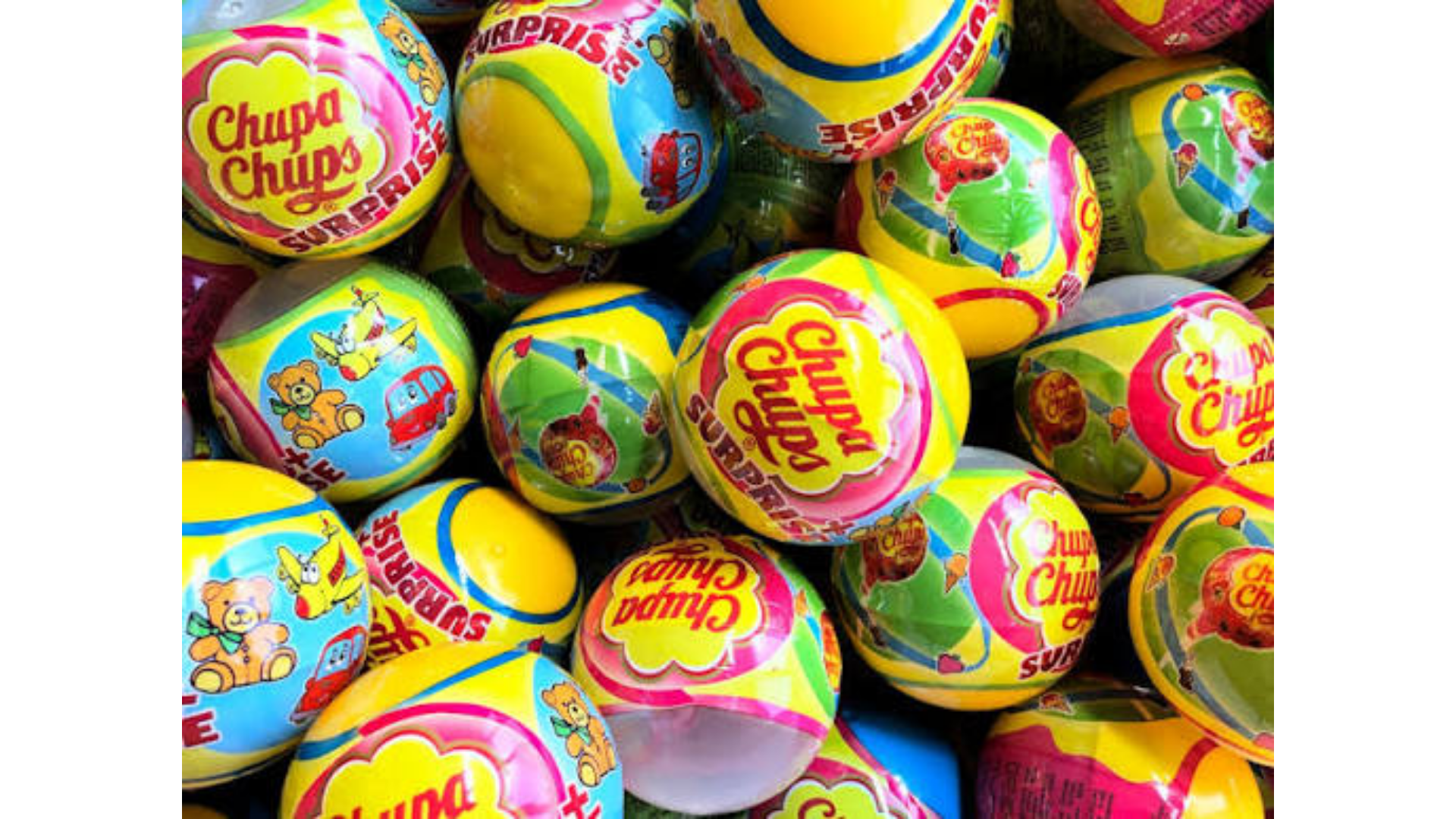
Understanding the Chupa Chups Distribute Channel
To successfully navigate the Chupa Chups Distribute Channel, it is important to first understand the scale and corporate structure of its parent brand. Manufactured by the global confectionery giant Perfetti Van Melle, Chupa Chups utilizes a highly structured supply chain that spans across continents. The brand is produced in multiple world-class manufacturing facilities, including key production plants in Spain, Russia, China, Vietnam, and Mexico. These factories feed into centralized regional distribution hubs before the candies are dispersed to local networks.

For wholesale importers, the direct source depends heavily on geographical location and trade agreements. European markets are largely supplied by the Spanish production plant, while Asia-Pacific markets rely heavily on the state-of-the-art facilities located in Vietnam and China. Identifying which production hub feeds your specific region is vital, as it dictates shipping transit times, custom tariff rates, and currency exchange risks that ultimately influence your bottom-line pricing.
Analyzing the Chupa Chups Distribute Channel and Supply Chain Dynamics
The structure of the Chupa Chups Distribute Channel operates through several critical layers. Each layer plays a distinct role in ensuring that lollipops transition from bulk pallets in a warehouse to individual units purchased by the end consumer. Let us break down these key levels of distribution:

First, Primary Distributors (Tier-1) purchase bulk quantities directly from Perfetti Van Melle factories or primary national hubs. These distributors typically deal in full container loads (FCL) and manage complex international logistics. Second, Regional Wholesalers (Tier-2) buy from Tier-1 distributors. They break down FCL into smaller LCL (Less than Container Load) shipments or pallet-level quantities to supply regional markets. Third, Retail Outlets and Sub-distributors acquire products from regional wholesalers, making them accessible to consumers via convenience stores, supermarkets, and specialty candy shops.
Understanding this tiered layout allows wholesale purchasers to identify their exact position in the pipeline. Buying closer to the source (Tier-1 or Tier-2) provides significantly lower unit costs but requires higher minimum order quantities (MOQs). Conversely, purchasing from sub-distributors offers flexible ordering structures but at a slightly reduced profit margin.
Key Components of an Effective Chupa Chups Distribute Channel for Wholesalers
Wholesale businesses looking to optimize their Chupa Chups Distribute Channel must focus on specific environmental and operational variables. Unlike dry packaged goods with indefinite shelf-lives, confectionery items are sensitive to external climate factors and storage conditions.
Temperature and humidity control are the most critical factors. Chupa Chups lollipops are composed primarily of sugars that can liquefy or crystallize under poor environmental conditions. Warehouses must be maintained at a stable temperature of 18°C to 22°C, with a relative humidity below 50%. Failure to maintain these conditions can result in “sticky lollipops,” where the candy wrapper adheres permanently to the candy surface, rendering the entire batch unsellable.
Furthermore, bulk packaging configuration management is essential. Wholesalers must coordinate their logistics around standard packaging sizes. Chupa Chups are typically shipped in multi-pack displays, drums, or bulk bags. Ensuring your transport partners understand how to stack pallets without crushing bottom-tier display boxes is vital for maintaining product presentation standards at the final point of sale.
Challenges in the Chupa Chups Distribute Channel and How to Overcome Them
Managing a global Chupa Chups Distribute Channel is not without its operational hurdles. Supply chain disruptions, customs delays, and product diversion are common obstacles that wholesale businesses must actively mitigate. Below are some of the most prevalent challenges and their strategic solutions:
- Seasonal Demand Spikes: Demand for confectionery products surges during holidays like Halloween, Christmas, and Easter. If wholesalers fail to secure inventory months in advance, they risk running out of stock. Solution: Implement predictive demand forecasting and establish guaranteed allocation agreements with Tier-1 distributors.
- Customs and Import Tariffs: Importing sugar-based confectionery can trigger strict health regulations and high tariffs depending on the country of origin. Solution: Partner with experienced customs brokers who specialize in food and beverage compliance to avoid costly border delays.
- Counterfeit and Gray Market Goods: The popularity of Chupa Chups makes it a target for unauthorized copycats or unauthorized parallel imports. Solution: Only source products from authorized distributors who provide verifiable batch numbers and certificates of authenticity.
Optimizing Flow Within Your Chupa Chups Distribute Channel
To maximize efficiency in your Chupa Chups Distribute Channel, integrating modern supply chain technology is paramount. Utilizing Electronic Data Interchange (EDI) systems helps automate the order-to-delivery pipeline. When inventory levels drop below a predefined threshold, EDI systems can trigger automated purchase orders directly to regional distribution centers. This prevents stockouts and ensures a continuous flow of fresh stock.
Additionally, wholesalers should implement the First-In, First-Out (FIFO) inventory management methodology. Because Chupa Chups lollipops have a defined shelf-life (typically 24 months from the manufacturing date), prioritizing older inventory for shipment ensures that retail clients receive products with maximum remaining shelf-life, minimizing the risk of expired returns.
Comparing Distribution Paths: Wholesale vs. Direct Retail
Selecting the right operational path within the Chupa Chups Distribute Channel depends heavily on your capital capabilities and business model. Below is a detailed comparison of the primary distribution paths available to professional market participants:
| Metric | Direct Manufacturer Sourcing (Tier-1) | Authorized Regional Wholesale (Tier-2) | E-commerce B2B Platforms |
|---|---|---|---|
| Minimum Order Quantity (MOQ) | Extremely High (Full Container Loads) | Moderate (Pallet Level) | Low (Case Level) |
| Profit Margins | Maximum (Direct factory pricing) | Healthy (Wholesale markup applied) | Lower (Platform fees & retail markups) |
| Logistics Complexity | High (Requires international freight handling) | Medium (Local or regional shipping) | Very Low (Drop-shipped or parcel delivery) |
| Lead Times | 30 to 90 Days (Production & sea freight) | 7 to 14 Days (Domestic warehousing) | 2 to 5 Days (Express logistics) |
By evaluating these metrics, businesses can structure their procurement strategy to balance shipping lead times against potential profits. Medium-sized wholesalers generally find that partnering with established Tier-2 distributors provides the ideal balance of risk, investment, and reward.
Maximizing Your Chupa Chups Distribute Channel Efficiency
In conclusion, optimizing your Chupa Chups Distribute Channel is the key to achieving sustained profitability and strong market share in the competitive confectionery sector. By understanding regional manufacturing origins, implementing strict climate-controlled logistics, and leveraging modern inventory automation like FIFO and EDI systems, your business can significantly reduce overhead costs while offering fresh, high-quality products to your customers. If you are looking to secure a reliable, high-volume supply chain for your B2B sweet distribution needs, contact our expert trade team today to streamline your confectionery sourcing pipeline.