When it comes to global confectionery icons, exploring the most fascinating Chupa Chups Facts reveals how a simple lollipop revolutionized the entire sweets industry. As a key staple in the global confectionery wholesale market, this brand represents more than just a sweet treat; it is a masterclass in product design, artistic branding, and innovative global distribution. For retailers and candy enthusiasts alike, understanding the history and secrets behind this Spanish marvel offers valuable insights into consumer psychology and market longevity. Let us embark on a sweet journey to uncover the remarkable stories that transformed a humble candy-on-a-stick into an international phenomenon.
Table of Contents
- Top Historical Chupa Chups Facts You Need to Know
- Decoding the Famous Dali Logo: Surprising Chupa Chups Facts
- The Marketing Genius Behind the Daisy Logo: Chupa Chups Facts Explained
- Global Flavors and Nutritional Profiles: Vital Chupa Chups Facts for Retailers
- Out-of-This-World Chupa Chups Facts: Lollipops in Space
- Fun Cultural Chupa Chups Facts and Celebrity Icons
- Frequently Asked Questions
Top Historical Chupa Chups Facts You Need to Know
To truly appreciate the brand, we must travel back to late 1950s Spain. Enric Bernat, a Spanish businessman working for an apple jam factory, made an acute observation: kids loved candy, but because sweets were round and sticky, children often ended up with sticky hands and messy clothes. Realizing that the market lacked child-friendly candy ergonomics, Bernat envisioned a sweet mounted on a fork. This revolutionary concept of putting a handle on a sweet would alter the trajectory of confectionery history forever.
Originally, the product was called “Gol” (referencing a soccer ball and an open mouth), but Bernat soon realized that the name lacked commercial punch. He hired a creative agency that dubbed the product “Chupa Chups,” derived from the Spanish verb chupar, which literally translates to “to suck.” The catchy name, paired with a lively radio jingle, became an overnight success in Spain, paving the way for international expansion.
By the 1970s, Chupa Chups had crossed borders, establishing itself as a favorite in Europe, the Americas, and Asia. The brand’s transition from a local Spanish snack to a household name is a testament to Bernat’s original mission: solving a real-world problem with structural simplicity and uncompromised flavor quality.
Decoding the Famous Dali Logo: Surprising Chupa Chups Facts
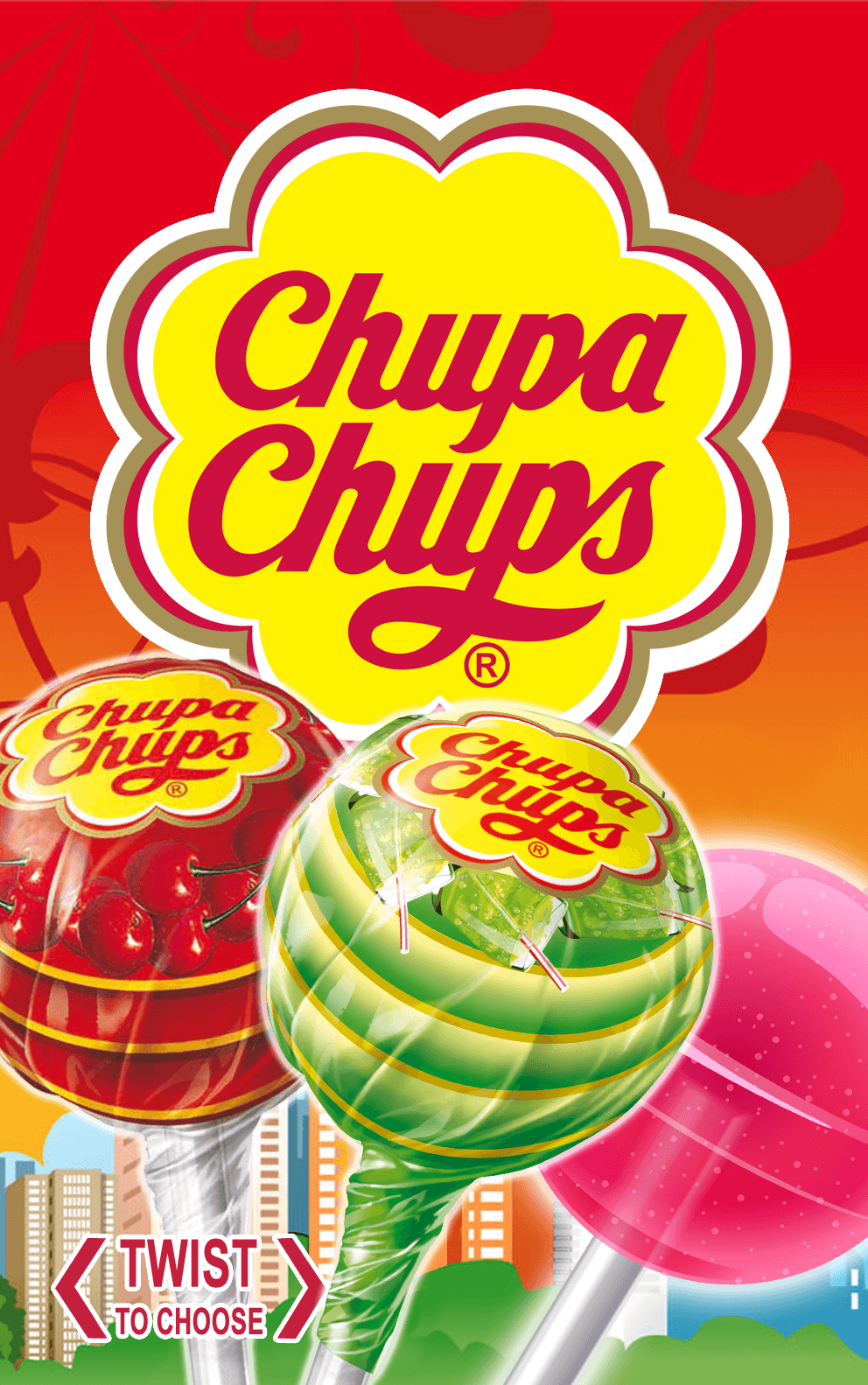
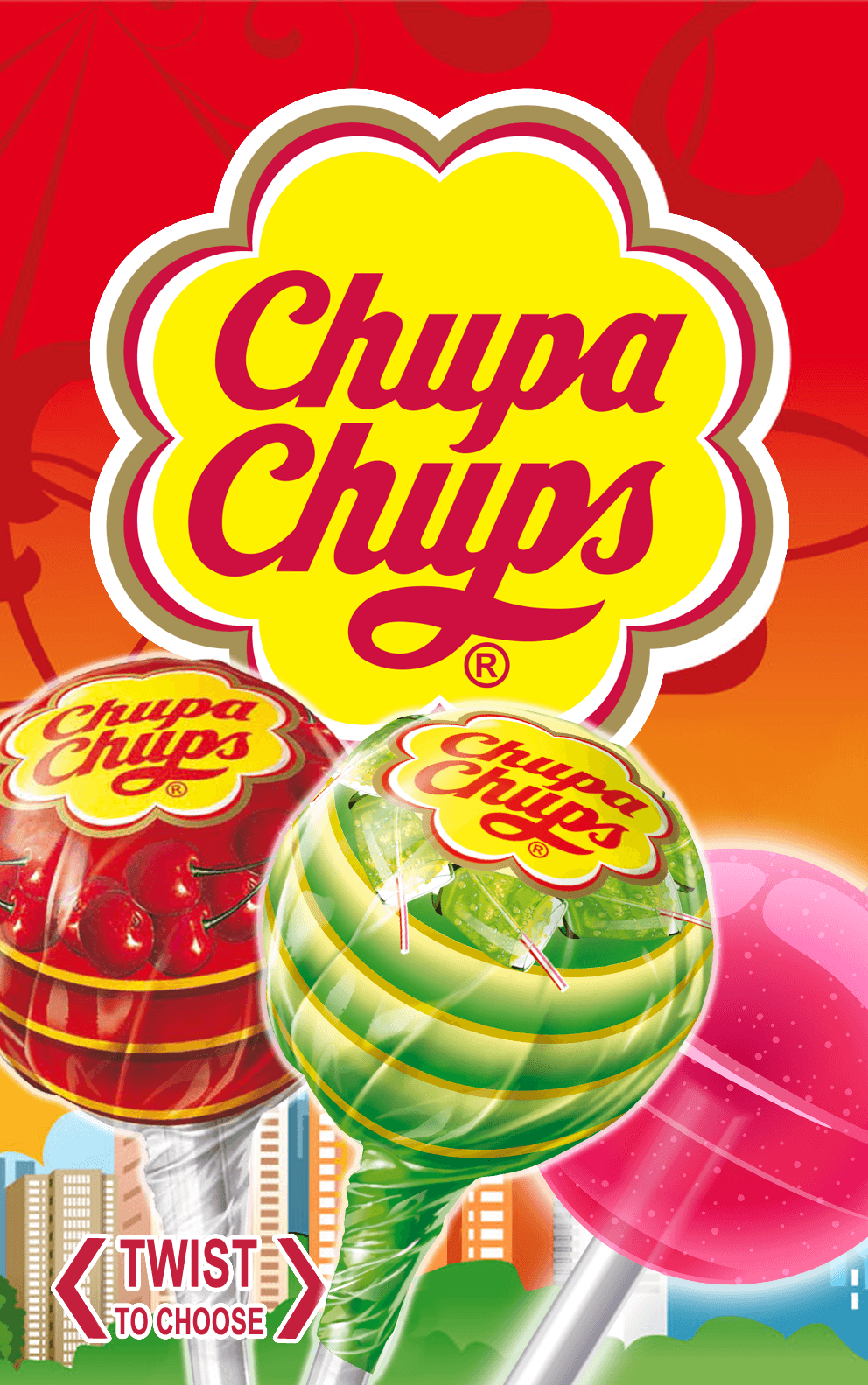
One of the most artistic and surprising Chupa Chups Facts concerns its iconic logo. In 1969, Enric Bernat was determined to elevate the brand’s international appeal. He traveled to Figueres, Spain, to meet his close friend and legendary surrealist painter, Salvador Dalí. Over a casual lunch, Bernat expressed his branding concerns, explaining that he needed a logo that would stand out globally.
Without hesitation, Dalí began sketching ideas on a nearby newspaper. Within less than an hour, the master of surrealism had incorporated the brand’s name into a distinctive yellow and red daisy shape. By using bold, contrasting primary colors, Dalí ensured the design would immediately catch the eyes of children and adults alike, instantly elevating the confectionery item into a piece of pop-art history.

Today, Dalí’s logo remains virtually unchanged, acting as a global symbol of playfulness, premium quality, and artistic ingenuity. This connection with fine art helped cement Chupa Chups as a lifestyle brand, rather than a mere sugar sweet.
The Marketing Genius Behind the Daisy Logo: Chupa Chups Facts Explained
While the design itself was brilliant, Dalí’s contribution went beyond aesthetics. He insisted that the logo must be placed on the absolute top of the lollipop wrapper rather than the sides. Dalí reasoned that candy displayed in boxes would always be viewed from above. By placing the logo on top, it would remain completely flat, un-crumpled, and fully visible to consumers at all times.
This simple layout adjustment revolutionized in-store product placement. Retailers could display Chupa Chups in low-sitting tubs, counter boxes, and tree displays, ensuring that every shopper caught a direct glimpse of the bright daisy. This combination of fine art and practical retail psychology is a cornerstone of the brand’s commercial success story.
Global Flavors and Nutritional Profiles: Vital Chupa Chups Facts for Retailers
Over the years, Chupa Chups has created over 100 distinct flavors, tailoring its products to the localized preferences of different regions. While classic strawberry, strawberry-cream, and cola continue to dominate sales lists worldwide, experimental flavors like matcha green tea in Japan, dulce de leche in Latin America, and salty licorice in northern Europe showcase the brand’s adaptive culinary strategies.
For distributors and retailers managing inventory, understanding these regional preferences and nutritional variations is vital. Let us examine the characteristics of the primary Chupa Chups product categories:
| Product Category | Top Flavors | Key Feature | Target Audience |
|---|---|---|---|
| The Best Of | Strawberry, Cola, Apple, Cherry | Classic hard candy base | All age groups, mass market |
| Creamy Profiles | Strawberry & Cream, Cocoa Vanilla | Smooth, milky texture | Dessert lovers, children |
| Sugar-Free | Strawberry, Cherry, Cola | Sweetened with Isomalt | Health-conscious buyers |
| XXL Trio | Tutti Frutti, Strawberry-Kiwi | Bubblegum core, extra large | Teens, impulse-buy displays |
In addition to maintaining strict flavor consistency, Chupa Chups has successfully transitioned into cleaner labeling, offering gluten-free options and natural coloring agents across a large portion of its primary product lines, meeting modern consumer demands for better-for-you snacks.
Out-of-This-World Chupa Chups Facts: Lollipops in Space
Just when you thought Chupa Chups was strictly a terrestrial sensation, the brand expanded into outer space. In 1995, Russian astronauts aboard the Mir Space Station specifically requested Chupa Chups lollipops to be sent up as part of their supply shipment. This historic event marked the first time a lollipop was eaten in zero-gravity space.
Astronauts explained that sucking on a hard lollipop was a highly effective way to enjoy a sweet taste without risking crumb dispersion. In zero-gravity environments, loose crumbs from cookies or crumbly sweets pose a major threat, as they can drift into open console ventilation and damage delicate electronic equipment. Thus, the classic Chupa Chups lollipop proved to be both a delicious morale booster and a safe, functional space snack.

This stellar achievement solidified the brand’s place in modern cultural lore. Very few confectionery brands can claim to have satisfied cravings both on Earth and in low-Earth orbit, adding a literal galactic prestige to the brand’s long resume.
Fun Cultural Chupa Chups Facts and Celebrity Icons
Beyond astronauts, Chupa Chups has captivated some of the most prominent cultural figures of our generation. During the late 1980s and early 1990s, the brand actively launched progressive anti-smoking campaigns. Positioning the lollipop as a satisfying, healthy oral substitute for cigarettes, Chupa Chups transitioned into a high-fashion, lifestyle accessory.
This clever campaign resonated deeply with pop-culture icons. Superstars like Madonna, Britney Spears, and even legendary fashion designer Giorgio Armani were photographed holding the iconic candy, instantly making lollipops cool for teenagers and young adults. By leveraging celebrity endorsements and aligning itself with youthful self-expression, Chupa Chups evolved from a simple children’s lollipop into an everlasting global lifestyle icon.
Conclusion: Unleashing the Power of Chupa Chups Facts
In conclusion, diving into these remarkable Chupa Chups Facts reveals a brand built on brilliant, user-focused problem-solving, high-art collaboration, and astronomical milestones. What started as a thoughtful solution for children with sticky hands in 1950s Spain has transformed into a global artistic masterpiece loved by astronauts, celebrities, and families around the world. For retail business owners, stocking Chupa Chups is not just about keeping candy on the shelves—it is about leveraging a historic, globally adored brand that naturally drives impulse purchases. Explore our wholesale solutions today, and bring these iconic, colorful treats straight to your customers.