Optimizing international supply chain logistics is essential to building a profitable B2B beverage business. For importers, trading houses, and regional distributors purchasing Coca-Cola Soft Drink Wholesale inventory, understanding the Coca-Cola Soft Drink Distribute Channel network ensures seamless procurement, eliminates customs bottlenecks, and secures optimal landed costs per case.
Because The Coca-Cola Company maintains strict territorial franchise distribution agreements globally, a secondary parallel export market operates alongside official channels to fill regional inventory deficits and supply price-competitive stock. This guide examines distribution pathways, consolidator dynamics, ocean freight logistics, and customs compliance.
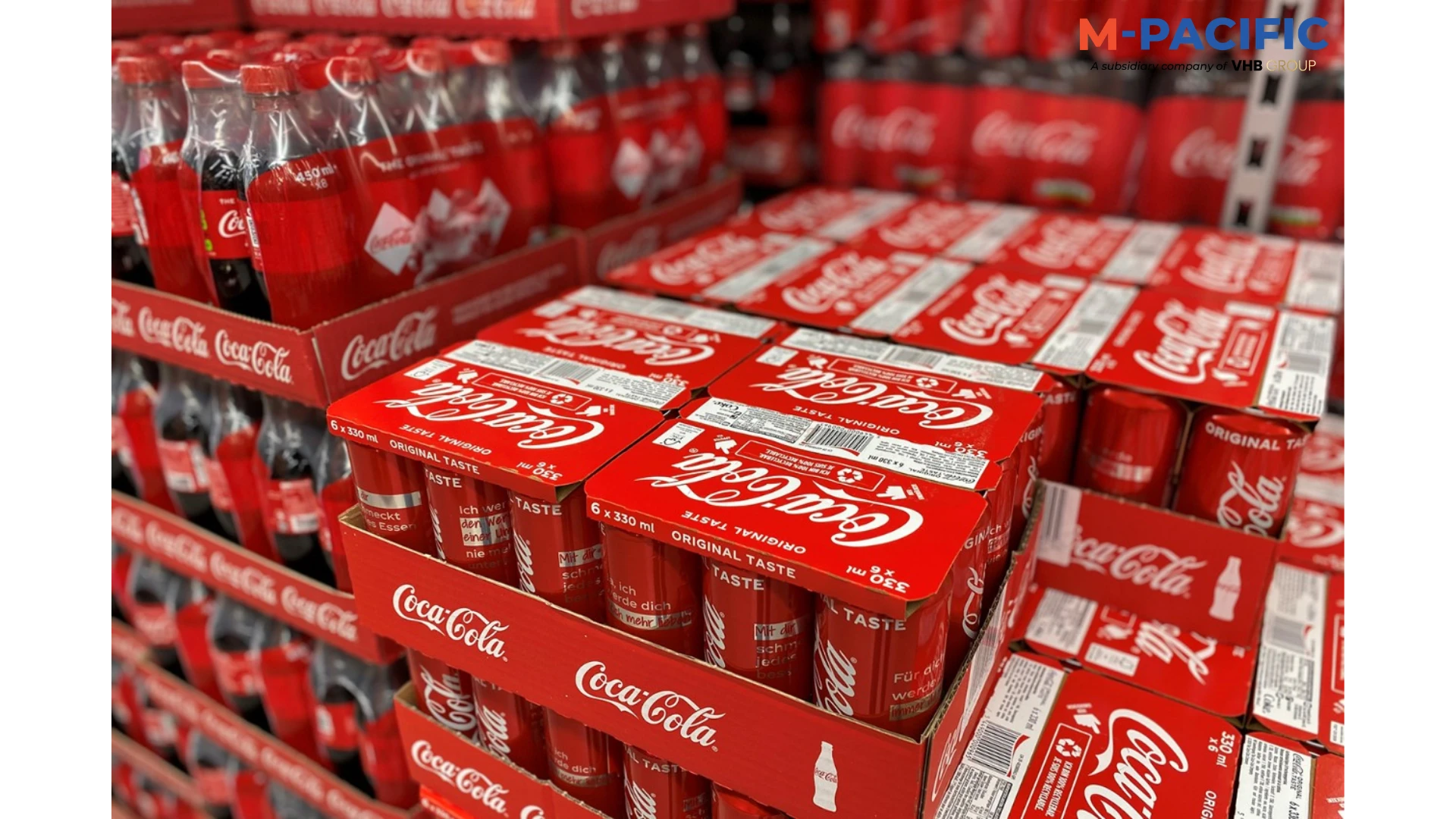
Table of Contents
- Structure of the Global Coca-Cola Distribution Network
- Direct Franchise Bottlers vs. FMCG Export Consolidators
- Retail Touchpoints and Channel Allocation
- Ocean Freight Optimization and Demurrage Prevention
- Customs Clearance and Essential Export Documentation
- Frequently Asked Questions (FAQ)
- Streamline Your Coca-Cola Supply Chain
1. Structure of the Global Coca-Cola Distribution Network
The global distribution network for Coca-Cola operates through a hybrid structure consisting of corporate-owned national distribution arms, exclusive anchor franchise bottlers (such as CCEP, Swire, Coca-Cola FEMSA, and Arca Continental), and licensed FMCG trading consolidators.
To evaluate origin manufacturing factors across these network nodes, review our guide on Coca-Cola Soft Drink Origin standards.
[The Coca-Cola Company / Anchor Bottlers (CCEP, FEMSA, Swire)]
       │
       ├──► Official National Franchise Distributors (Local Retail Contracts)
       └──► FMCG Export Consolidators (Cross-Border FCL Wholesale Trade)
              │
              ├──► Modern Trade (Hypermarkets, Supermarkets)
              ├──► Traditional Trade (Convenience Stores, Forecourts)
              └──► HoReCa Channel (Hotels, Restaurants, Nightlife)
2. Direct Franchise Bottlers vs. FMCG Export Consolidators
Commercial buyers must choose between direct franchise contracting or master export consolidator sourcing:
| Channel Parameter | Direct Franchise Bottler | FMCG Export Consolidator |
| Minimum Order Quantity | Extremely High (Multi-FCL Monthly Contracts) | Flexible (1x20ft or 1x40ft FCL) |
| SKU Flexibility | Single Country Local Packaging Only | Mixed SKUs & Multi-Brand Containers |
| Order Processing Lead Time | 30 to 60 Business Days | 7 to 14 Business Days |
| Export Documentation | Standard Local Domestic Invoicing | Full Export Suite (CoA, COO, Health Cert) |
3. Retail Touchpoints and Channel Allocation
To maximize turnover within the Coca-Cola Soft Drink Distribute Channel, importers should align packaging formats with target retail outlets:
- Convenience Stores & Gas Station Forecourts: 320ml/330ml Sleek Cans and 500ml PET Bottles (High impulse single-serve velocity).
- Supermarkets & Hypermarkets: Shrink-wrapped 6-can, 12-can, and 24-can multi-packs, and 1.5L/2.0L PET bottles.
- HoReCa (Hotels, Restaurants, Dining): Iconic 250ml glass contour bottles and standard 355ml cans. Importers can review specialized SKU mixes in our guide on Coca-Cola Soft Drink Special Size SKUs.
4. Ocean Freight Optimization and Demurrage Prevention
Because liquid beverage shipments are heavy, ocean containers reach maximum legal road/rail weight limits before physical container volume is full.
Logistics teams utilize hand-stacked “floor-loading” inside 20ft dry containers to load up to 2,350 trays (~56,400 cans), reducing ocean freight cost per unit by up to 20%. Pre-clearing customs documentation prior to vessel arrival eliminates costly port storage and container demurrage charges.
5. Customs Clearance and Essential Export Documentation
Smooth import customs clearance requires securing a complete document suite from your export partner:
- Commercial Invoice & Packing List: Detailing SKU descriptions, batch numbers, net/gross weights, and HS Code (2202.10.00).
- Certificate of Origin (COO): Validating manufacturing origin for tariff preferences.
- Certificate of Analysis (CoA): Confirming microbiological safety, sugar Brix levels, and carbonation pressure.
- Health & Free Sale Certificate: Confirming product safety for human consumption.
7. Streamline Your Coca-Cola Supply Chain
Mastering the Coca-Cola Soft Drink Distribute Channel network guarantees reliable inventory flow, lowered freight overheads, and competitive landed case costs. Contact our commercial trade sales team today to request wholesale pricing and build your custom beverage procurement contract.
Disclaimer: Unless otherwise stated, brand names, logos, and trademarks mentioned in this article (including Coca-Cola, Sprite, Fanta, Schweppes, and The Coca-Cola Company) are the property of their respective owners. They are used here strictly for informational and B2B educational purposes.
Distribution Channel FAQ
Disclaimer: Unless otherwise stated, the images used in this article are the property of their respective owners. We do not claim ownership of any third-party images featured, and they are used here strictly for informational and educational purposes. If you are the copyright holder and wish to have an image removed, please contact us.