Sourcing Sting Energy Drink Bulk inventory provides international B2B beverage distributors, supermarket chains, cash-and-carry wholesalers, and FMCG trading partners with a high-velocity revenue engine in the functional energy category. Developed and manufactured under PepsiCo’s global beverage umbrella, Sting Energy Drink has emerged as a dominant force in emerging markets across Southeast Asia, South Asia, the Middle East, and Africa.
Known for its striking vibrant colors, carbonated fruity flavor profiles, infusion of 4-year-old Red Ginseng extract, and accessible pricing structure, Sting delivers high consumer pull and strong inventory turnover. For international beverage importers, managing full container load (FCL) consignments of Sting Energy Drink requires navigating complex supply chain dynamics—including origin bottling hub selection, PET bottle versus aluminum can payload limits, sugar-tax compliance, and parallel trade logistics. This comprehensive B2B pillar guide analyzes the technical, commercial, and logistical protocols necessary to build a highly profitable distribution model.
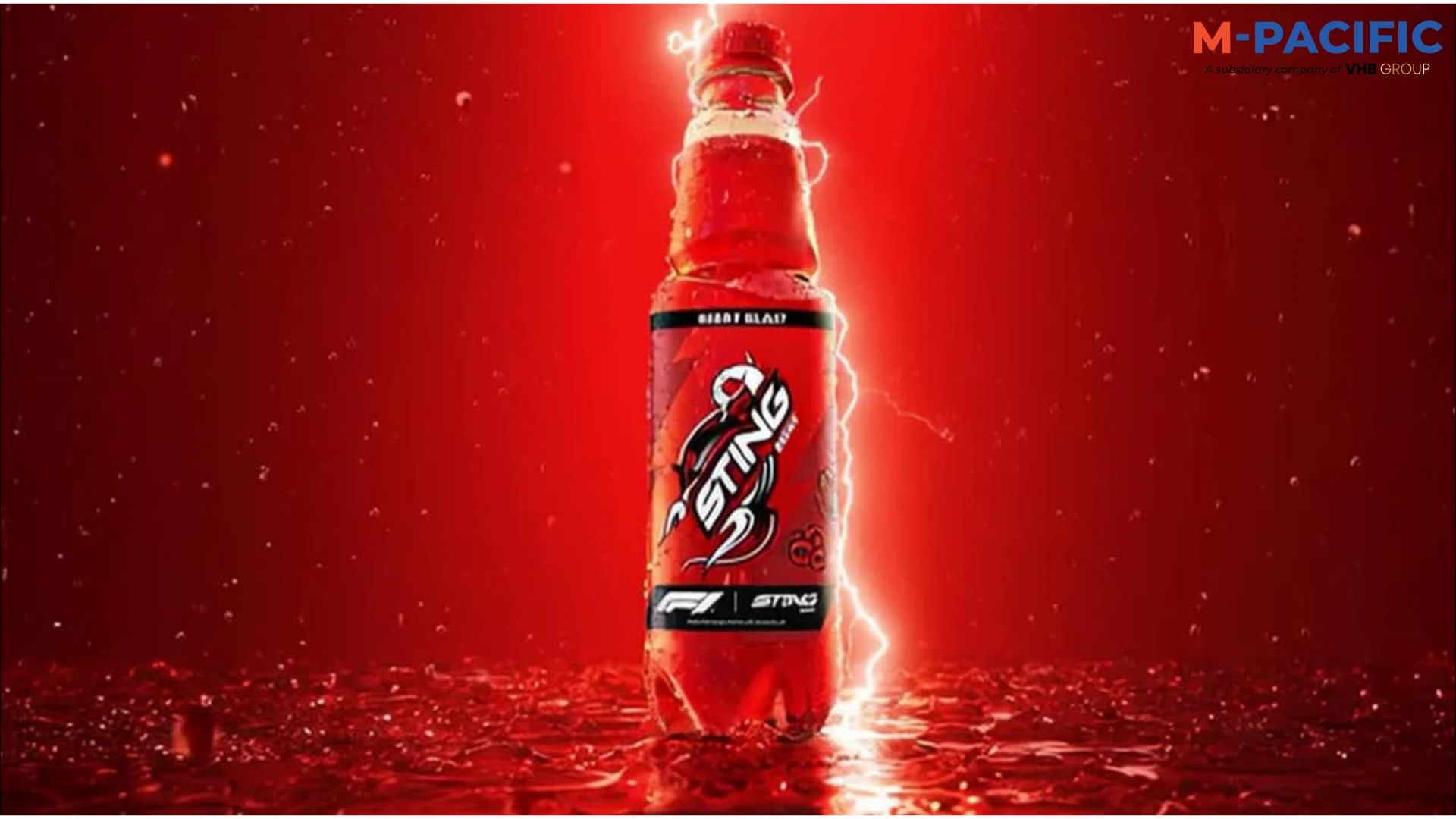
Table of Contents
- Global Market Demand and Commercial Position of Sting Energy Drink Bulk
- Flavor Portfolio Breakdown: Strawberry Red vs. Gold Ginseng
- Packaging Architecture: Contoured PET Bottles vs. Aluminum Cans
- Ocean Freight Logistics, Palletization, and Weight Payload Optimization
- B2B Procurement Strategies, Incoterms, and Pricing Models
- Import Compliance, Food Safety Certification, and Tariff Codes
- Frequently Asked Questions (FAQ)
- Partner with Us for Your Global Sourcing Needs
1. Global Market Demand and Commercial Position of Sting Energy Drink Bulk
The global energy drink market continues to outpace standard carbonated soft drinks, driven by younger demographics, urban workforces, gaming communities, and active lifestyle consumers seeking functional mental and physical revitalization. Within this expanding sector, PepsiCo strategically positioned Sting as an affordable, ultra-refreshing energy beverage tailored to mass-market consumer segments.
Adding Sting Energy Drink Bulk stock to a wholesale catalog delivers distinct commercial advantages:
- High Inventory Velocity: Sting’s bold taste and competitive retail price point drive rapid sell-through across traditional retail, convenience store forecourts, and high-density urban outlets.
- Distinct Flavor Differentiation: Unlike traditional medicinal-tasting energy drinks, Sting offers fruit-forward taste profiles (such as red strawberry) that double as everyday refreshing sodas.
- Pre-Sold PepsiCo Equity: Backed by PepsiCo’s global quality assurance and localized marketing campaigns, Sting enjoys immediate consumer trust across import markets.
2. Flavor Portfolio Breakdown: Strawberry Red vs. Gold Ginseng
Curating an optimal import portfolio requires selecting the right combination of Sting flavor variants tailored to destination market taste preferences:

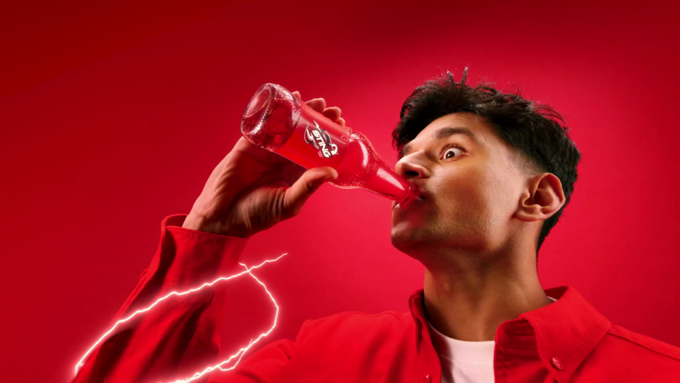
- Sting Red Strawberry (Strawberry / Red Rush): The flagship, highest-selling SKU in the global portfolio. Featuring an intense red color, refreshing strawberry aroma, carbonated fizz, caffeine, taurine, B-vitamins, and authentic 4-year-old Red Ginseng extract.
- Sting Gold Rush (Gold Ginseng / Energy Rush): A vibrant golden-yellow formulation that delivers a crisp, energizing citrus-ginseng taste profile similar to classic functional energy drinks.
- Sting Blue Berry / Lime Variants: Specialized regional releases formulated to capture niche youth markets and impulse convenience sales.
For deeper technical analysis of ingredient ratios and energy formulations, explore our guide on Sting Energy Drink Flavor Facts.
3. Packaging Architecture: Contoured PET Bottles vs. Aluminum Cans
Selecting the right packaging formats directly impacts freight density, shelf presence, and landed unit costs. Sting is manufactured primarily in contoured PET plastic bottles and sleek aluminum cans.
Signature 330ml / 320ml Contoured PET Bottles
The primary volume driver across Asian export hubs. The clear, ergonomically contoured PET bottle showcases the drink’s vibrant color (bright red or golden yellow) on retail shelves. Fitted with a resealable screw cap, it is optimized for on-the-go impulse purchases and offers lower packaging production costs.
Sleek Aluminum Cans (320ml / 330ml / 250ml)
Aluminum cans are preferred for modern trade hypermarkets, gas station chillers, and Western import channels. Cans provide a 100% barrier against light and oxygen, extending product shelf life and preserving carbonation pressure over long maritime shipping routes.
Importers can evaluate specific container dimensions and tray pack configurations in our companion guide on Sting Energy Drink Unique Bottle SKUs.
4. Ocean Freight Logistics, Palletization, and Weight Payload Optimization
Managing international logistics for carbonated energy beverages requires strict payload management. Liquid cargo is weight-dense, meaning ocean containers reach legal road and vessel weight limits (“weighing out”) long before physical volumetric space is exhausted (“cubing out”).
Floor-Loading vs. Palletized Handling
- Floor-Loading (Hand Stacking): Tray cartons are stacked directly on the container floor. This method increases total carton payload by 15% to 20% compared to wooden pallets, significantly reducing the net ocean freight cost per unit.
- Palletized Loading: Cartons are loaded on Euro-pallets or standard ISO pallets. While it reduces total case capacity per container, it enables rapid forklift offloading at automated distribution centers.
| Packaging Format | Case Pack Configuration | Gross Weight / Case | 20ft FCL Capacity (Floor Loaded) | 40ft HC FCL Capacity (Floor Loaded) |
| 330ml PET Bottle | 24 Bottles / Shrink Tray | ~8.8 kg | ~2,350 Trays (~56,400 Bottles) | ~3,150 Trays (~75,600 Bottles) |
| 320ml Sleek Can | 24 Cans / Corrugated Tray | ~8.4 kg | ~2,400 Trays (~57,600 Cans) | ~3,200 Trays (~76,800 Cans) |
| 250ml Can | 24 Cans / Corrugated Tray | ~6.6 kg | ~3,000 Trays (~72,000 Cans) | ~4,000 Trays (~96,000 Cans) |
Temperature Control and Condensation Shielding
While carbonated energy drinks are shelf-stable at room temperature, transit through tropical ocean routes can expose containers to temperatures exceeding 45°C. Importers regularly install reflective thermal container liners or request “below-deck” vessel stowage to prevent thermal pressure stress or container sweat (condensation) from damaging corrugated packaging.
5. B2B Procurement Strategies, Incoterms, and Pricing Models
Achieving target profit margins requires structuring procurement contracts with verified master exporters, licensed PepsiCo bottling facilities, or master FMCG consolidators.
Sourcing Models: Regional Bottlers vs. FMCG Consolidators
Direct procurement contracts with authorized PepsiCo bottlers (such as Suntory PepsiCo Vietnam or PepsiCo Egypt/Pakistan) require massive annual commitments (10+ FCLs per month) and exclusive territorial distribution rights. Independent wholesalers generally partner with master FMCG consolidators offering flexible minimum order quantities (1x20ft or 1x40ft FCL) and mixed-container capabilities (combining Sting with Pepsi, 7Up, or Mirinda).
To understand regional bottling hub networks, explore our analysis of the Sting Energy Drink Distribute Channel Network.
Incoterms 2020 Framework
- Free On Board (FOB): The recommended industry standard. The seller manages inland transport, export customs, and loading at origin ports (e.g., Ho Chi Minh City, Karachi, or Alexandria). The buyer assumes control over ocean shipping rates, carrier routing, and marine insurance.
- Cost, Insurance, and Freight (CIF): Ideal for buyers who prefer the exporter to organize ocean freight directly to the destination discharge port.
6. Import Compliance, Food Safety Certification, and Tariff Codes
Navigating customs regulations is critical to preventing port demurrage charges and rejected shipments.
Mandatory Export Documentation Suite
- Commercial Invoice & Packing List: Itemizing exact SKU descriptions, net/gross weights, batch numbers, and Harmonized System codes (HS 2202.99 or HS 2202.10 for functional drinks).
- Certificate of Origin (COO): Issued by the origin Chamber of Commerce (e.g., ASEAN Form E / Form D) to qualify for preferential customs tariffs under bilateral trade agreements.
- Certificate of Analysis (CoA): Issued by an accredited laboratory certifying caffeine concentration, Brix levels, taurine content, Red Ginseng powder content, and microbiological safety.
- Health & Free Sale Certificate: Confirming product safety for human consumption according to health ministry standards.
Over-Sticker Labeling and Language Compliance
If factory stock lacks native language ingredient declarations for your destination market, export consolidators can apply custom translated compliance sticker labels over original packaging at origin warehouses prior to container stuffing.
7. Partner with Us for Your Global Sourcing Needs
Partnering with an experienced FMCG export consolidator ensures seamless procurement of authentic Sting Energy Drink Bulk inventory at highly competitive pricing structures. If you are ready to expand your import portfolio and secure tier-one global trade terms, contact our commercial trade sales team today to request a customized quote, explore mixed-container consolidation options, and scale your beverage distribution business globally.
Sting Energy Bulk FAQ
Disclaimer: Unless otherwise stated, the images used in this article are the property of their respective owners. We do not claim ownership of any third-party images featured, and they are used here strictly for informational and educational purposes. If you are the copyright holder and wish to have an image removed, please contact us.