Exploring the Sprite Soft Drink Lemon Lime Origin provides valuable insights into how a 1959 German beverage development evolved into one of the world’s most iconic carbonated soft drinks. For B2B beverage importers, supermarket buyers, and market analysts, examining origin dynamics clarifies differences in regional sweetener sourcing, natural flavor oil extraction, franchise bottling architecture, and international parallel trade economics.
Table of Contents
- Historical Origins: From Fanta Klare Zitrone to Global Launch
- Natural Lemon-Lime Flavor Extraction Science & Carbonation Mechanics
- Regional Sweetener Dynamics: High-Fructose Corn Syrup vs. Cane Sugar vs. Beet Sugar
- Comparative Matrix of Global Sprite Bottling Territories
- Clear PET Packaging Transition & Environmental Sustainability Mandates
- Frequently Asked Questions (FAQ)
1. Historical Origins: From Fanta Klare Zitrone to Global Launch
The development of Sprite originated in West Germany in 1959 under the name Fanta Klare Zitrone (“Clear Lemon Fanta”). Developed as a clear, crisp lemon-lime refreshment, the beverage gained rapid popularity across European markets.
In 1961, The Coca-Cola Company introduced the beverage to the United States market under the newly trademarked name Sprite. Positioned directly as a sophisticated, caffeine-free competitor in the lemon-lime category, Sprite established a distinct brand identity focused on clear, honest thirst quenching.
2. Natural Lemon-Lime Flavor Extraction Science & Carbonation Mechanics
Sprite’s distinct crispness relies on precise natural oil blending and high carbonation saturation:
- Cold-Pressed Flavor Oils: Proprietary flavor concentrates incorporate cold-pressed essential oils extracted from lemon (Citrus limon) and lime (Citrus aurantifolia) peels, delivering a sharp citrus aroma without artificial bitter aftertastes.
- Citric Acid & Sodium Citrate Buffer: High citric acid concentration generates a tart acidity profile (pH ~2.6), buffered by sodium citrate to ensure a clean, smooth throat feel.
- High CO2 Saturation: Carbonated to a density of 3.8 to 4.0 volumes of CO2, creating sharp micro-bubbles that enhance cold sensory perception.
3. Regional Sweetener Dynamics: High-Fructose Corn Syrup vs. Cane Sugar vs. Beet Sugar
The primary functional variation across regional Sprite formulations involves the choice of caloric sweetener, which is heavily influenced by national agricultural trade policies and local sugar taxes.
High-Fructose Corn Syrup (North America)
In the United States and Canada, domestic corn subsidies led bottlers to adopt High-Fructose Corn Syrup (HFCS-55) in the 1980s. HFCS-55 delivers a rounded, rapid sweetness and full mouthfeel.
100% Real Cane Sugar (Latin America, Asia, Australia)
Bottling plants across Mexico, Vietnam, Thailand, and Australia utilize 100% natural cane sugar (sucrose). Cane sugar formulations deliver a lighter, crisp sweetness with a clean, light finish that accentuates natural citrus oils.
Sugar Beet and Reduced-Sugar Blends (Europe & UK)
European bottling hubs utilize sugar beet sucrose. In several European markets, sugar reduction taxes monitored by the European Food Safety Authority (EFSA) have prompted bottlers to substitute a portion of sugar with non-nutritive sweeteners (Ace-K and Steviol Glycosides).
4. Comparative Matrix of Global Sprite Bottling Territories
The following matrix compares key regional origins of Sprite soft drinks, highlighting primary bottling partners, local sweetener sources, and distinct taste profiles:
| Geographic Region | Primary Bottling Partners | Local Sweetener Source | Signature Flavor Profile |
| United States & Canada | Coca-Cola Bottling Co. Consolidated | High-Fructose Corn Syrup (HFCS-55) | Bold sweetness, full mouthfeel |
| Mexico & Latin America | Coca-Cola FEMSA / Arca Continental | 100% Real Cane Sugar | Crisp sucrose finish, sharp citrus lift |
| Western Europe & UK | Coca-Cola Europacific Partners | Sugar Beet & Stevia / Ace-K Blends | Lighter sweetness, dry sparkling finish |
| Southeast Asia (Vietnam) | Coca-Cola Indochina | Natural Cane Sugar | Refreshing lime aroma, clean palate |
5. Clear PET Packaging Transition & Environmental Sustainability Mandates
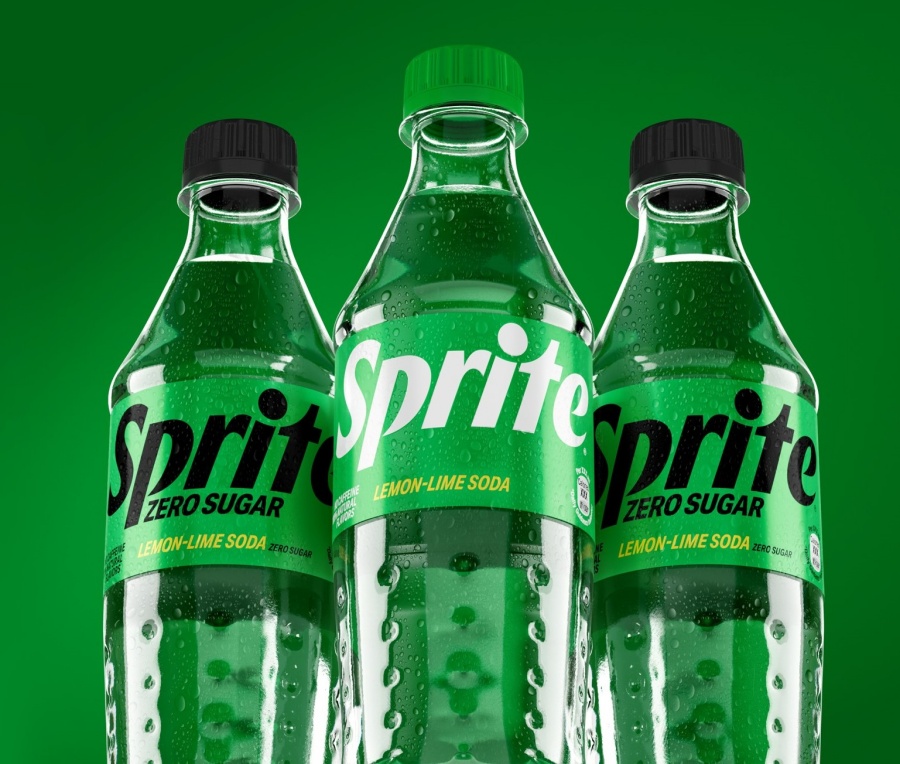
For over six decades, Sprite was universally recognized by its iconic green glass and plastic bottles. In 2022, The Coca-Cola Company executed a global strategic shift, transitioning all Sprite packaging to 100% clear PET plastic.
- Circular Economy Recycling: Green PET plastic contains color colorants that contaminate clear plastic recycling streams, limiting its reuse to lower-grade items like carpeting or clothing fibers.
- Bottle-to-Bottle rPET: Clear PET bottles can be continuously recycled back into food-grade beverage bottles (rPET), significantly reducing virgin plastic consumption and supporting corporate ESG commitments.
Sprite Origin & Science FAQ
Disclaimer: Unless otherwise stated, the images used in this article are the property of their respective owners. We do not claim ownership of any third-party images featured, and they are used here strictly for informational and educational purposes. If you are the copyright holder and wish to have an image removed, please contact us.