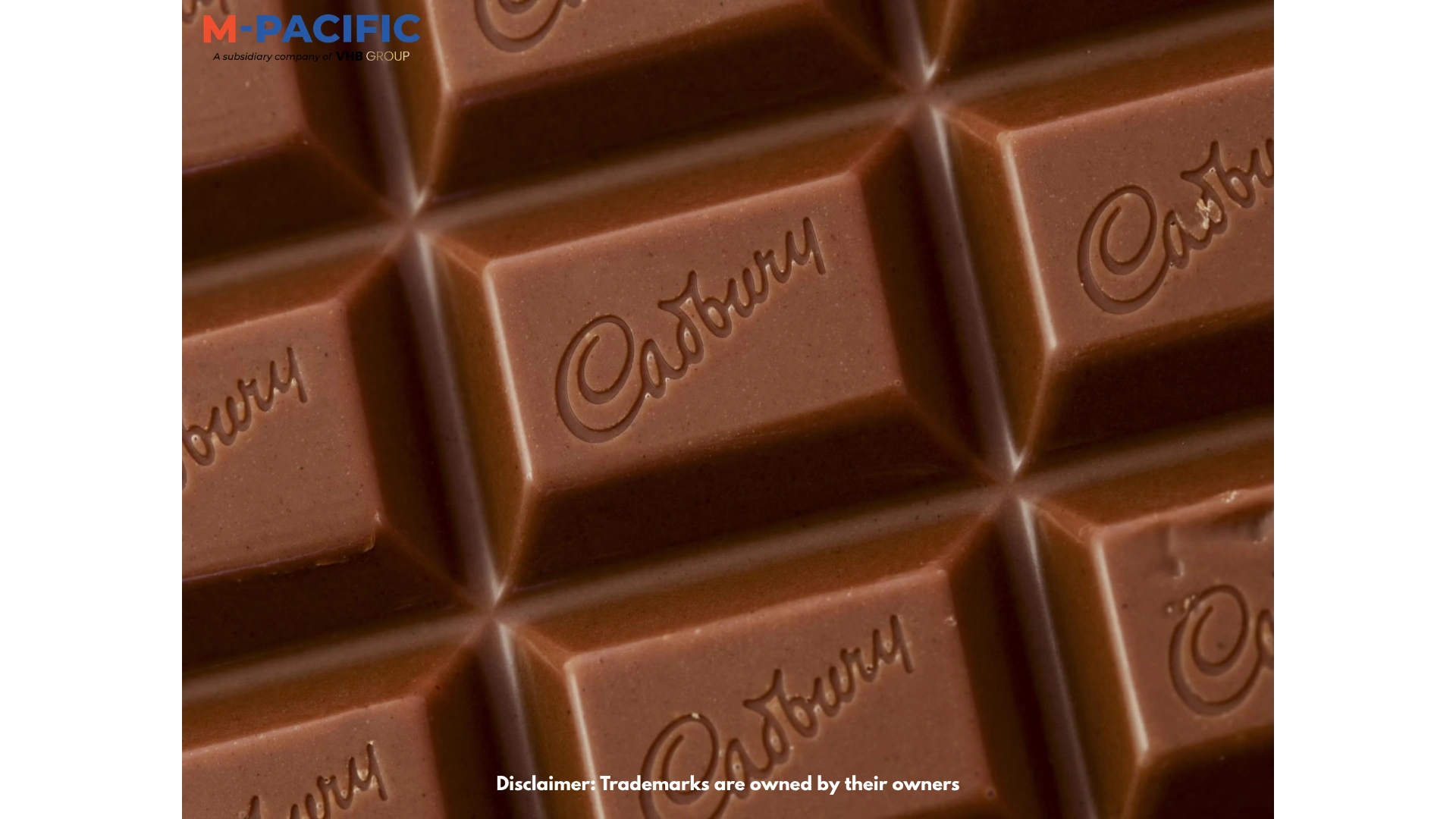
Evaluating Cadbury Dairy Milk Chocolate Heritage Facts provides essential technical data for B2B confectionery buyers, food scientists, retail category managers, and wholesale importers. Understanding the historical British manufacturing heritage, the “glass and a half of full-cream milk” liquid condensation process, crumb drying physics, and milk fat lipid chemistry is critical when evaluating chocolate texture, flavor development, and regulatory compliance for global distribution.
Cadbury represents one of the world’s most historically significant confectionery brands. Founded in Birmingham, England, in 1824, Cadbury’s transformation of liquid fresh milk into stable chocolate revolutionized global confectionery manufacturing. This technical guide analyzes the chemical, physical, and sensory facts governing Cadbury Dairy Milk formulations.
Table of Contents
- The Historical Origin and British Heritage of Cadbury
- The Chemistry of “Glass and a Half”: Milk Condensation and Crumb Physics
- Milk Fat Mechanics, Rheology, and Smooth Mouthfeel Development
- Comparative Analysis of Global Cadbury Manufacturing Formulations
- Quality Control Standards, Allergen Disclosures, and Shelf-Life Physics
- Frequently Asked Questions (FAQ)

1. The Historical Origin and British Heritage of Cadbury
Cadbury was established in 1824 by John Cadbury in Birmingham, England, as a shop selling cocoa and drinking chocolate. In 1897, Cadbury introduced its first milk chocolate bar, but it was dry and coarse compared to Swiss milk chocolates.
In 1905, George Cadbury Jr. engineered a breakthrough formulation featuring a significantly higher proportion of fresh liquid milk than any competing bar. Marketed under the name Cadbury Dairy Milk, the bar became an instant success, establishing the company’s position as the leading chocolate manufacturer in the British Empire.
2. The Chemistry of “Glass and a Half”: Milk Condensation and Crumb Physics
The defining commercial hallmark of Cadbury Dairy Milk is its famous slogan: “A glass and a half of pure full-cream milk in every half-pound.” Achieving this concentration without spoiling requires specialized chocolate crumb technology.
[Fresh Liquid Full-Cream Milk + Sugar Solution]
                       │
                       ▼
[Vacuum Evaporation & Condensation]         ──► Concentrates Liquid to High Solids
                       │
                       ▼
[Addition of Cocoa Mass & Heat Cooking]     ──► Triggers Maillard Reaction & Caramelization
                       │
                       ▼
[Vacuum Drying (Cadbury Chocolate Crumb)]   ──► Stable, Low-Moisture Caramelized Base
                       │
                       ▼
[Cocoa Butter Addition & Fine Conching]     ──► Smooth, Creamy Cadbury Dairy Milk
The Chocolate Crumb Process
Rather than blending dry milk powder with cocoa liquor, Cadbury condenses fresh liquid full-cream milk with sugar under vacuum to remove water. Cocoa mass is added to the condensed milk, and the mixture is gently cooked.
- Maillard Flavor Generation: Controlled heating of milk proteins (casein) and lactose sugar in the presence of cocoa mass triggers Maillard caramelization reactions, creating Dairy Milk’s signature cooked-milk, caramel flavor notes.
- Dehydration into Crumb: The caramelized mixture is dried under vacuum into a low-moisture (under 1.0%) solid called “chocolate crumb,” which remains shelf-stable for long storage before final conching.

3. Milk Fat Mechanics, Rheology, and Smooth Mouthfeel Development
Milk fat (butterfat) interacts directly with cocoa butter inside the chocolate matrix to modify texture and melting behavior:
Eutectic Lipid Softening
Milk fat consists of a diverse mixture of short- and medium-chain triglycerides with low melting points. When milk fat dissolves into the cocoa butter crystal matrix, it creates a eutectic softening effect, lowering the overall yield stress and plastic viscosity of the chocolate. This gives Cadbury Dairy Milk its smooth, melt-in-the-mouth texture.
Extended Conching and Particle Micronization
During final manufacturing, chocolate crumb is mixed with additional cocoa butter and conched in heavy industrial rollers. Conching micronizes sugar and milk particles down to under 20 microns (below the threshold of human tongue particle perception), while coating every solid particle in a smooth film of fat.
4. Comparative Analysis of Global Cadbury Manufacturing Formulations
Mondelēz manufactures Cadbury Dairy Milk across multiple international hubs, adapting recipes slightly to match local milk sourcing and regulatory definitions:
| Regional Origin Hub | Primary Supply Markets | Milk Sourcing Format | Flavor Profile Characteristics |
| United Kingdom (Bournville) | UK, Ireland, Global Duty-Free | Fresh British Liquid Milk | High caramelized-milk notes, classic British profile. |
| Australia (Clarement) | Australia, New Zealand, Asia | Fresh Tasmanian Liquid Milk | Rich creamy texture, sweet caramelized finish. |
| India (Baddi / Sri City) | India, South Asia | Condensed Indian Milk Solids | Adjusted cocoa/milk balance for warm climate stability. |
| South Africa (Gqeberha) | Southern & East Africa | Local Full-Cream Milk | Firm texture, rich caramelized dairy notes. |

5. Quality Control Standards, Allergen Disclosures, and Shelf-Life Physics
Cadbury Dairy Milk undergoes strict analytical quality testing prior to export release:
- Microbiological Quality Control: Tested to guarantee complete absence of Salmonella and coliform bacteria in milk-based ingredients.
- Allergen Declarations: Contains milk and soy lecithin (emulsifier). May contain traces of tree nuts and wheat gluten. Clear labeling complies with international food allergen disclosure laws.
- Factory Shelf Life: Unopened plain milk chocolate bars maintain an official shelf life of 12 to 14 months when stored under cold-chain conditions (14°C to 18°C and < 65% RH).
Cadbury Dairy Milk Heritage Facts FAQ
Disclaimer: Unless otherwise stated, the images used in this article are the property of their respective owners. We do not claim ownership of any third-party images featured, and they are used here strictly for informational and educational purposes. If you are the copyright holder and wish to have an image removed, please contact us.