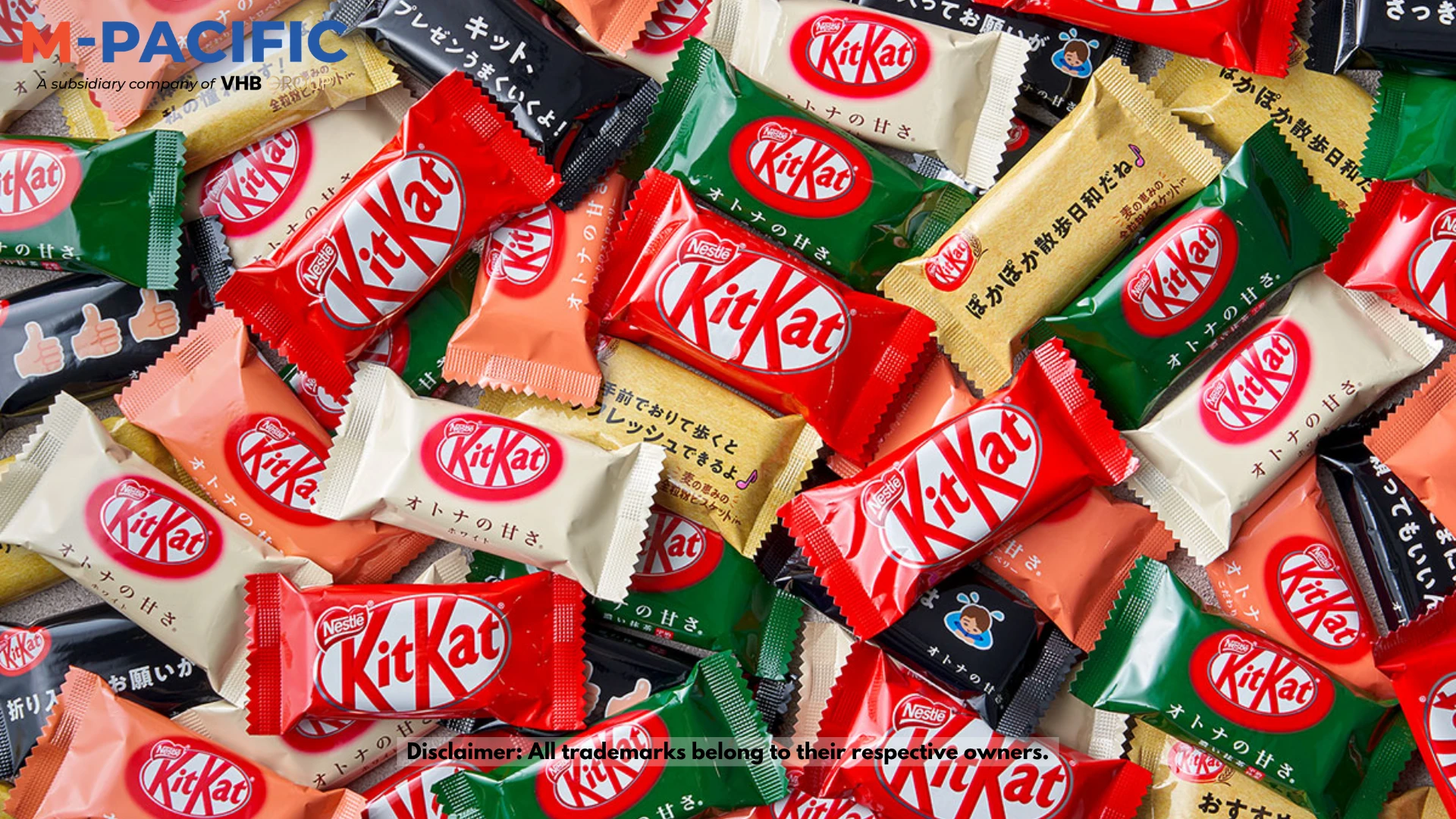
Understanding the exact Japanese KitKat Flavors Recipe Facts is absolutely essential for FMCG importers, international supermarket buyers, and confectionery distributors who want to comprehend why this specific product output is so highly demanded in the global market. Unlike standard Western KitKats that rely on basic milk chocolate profiles, this Nestlé formulation is meticulously engineered to provide complex, hyper-regional flavor experiences (such as Rich Matcha and Strawberry) and a specifically tuned sweetness level that directly appeals to Asian consumer palates.
For international procurement teams and supply chain managers looking to capitalize on this immense global demand, reviewing the operational logistics of Japanese KitKat Flavors Bulk is the mandatory next strategic step. However, before investing in bulk container loads, buyers must fully understand the chemical, nutritional, and flavoring components that make these biscuits a high-velocity retail juggernaut across mainstream supermarkets and ethnic grocers.
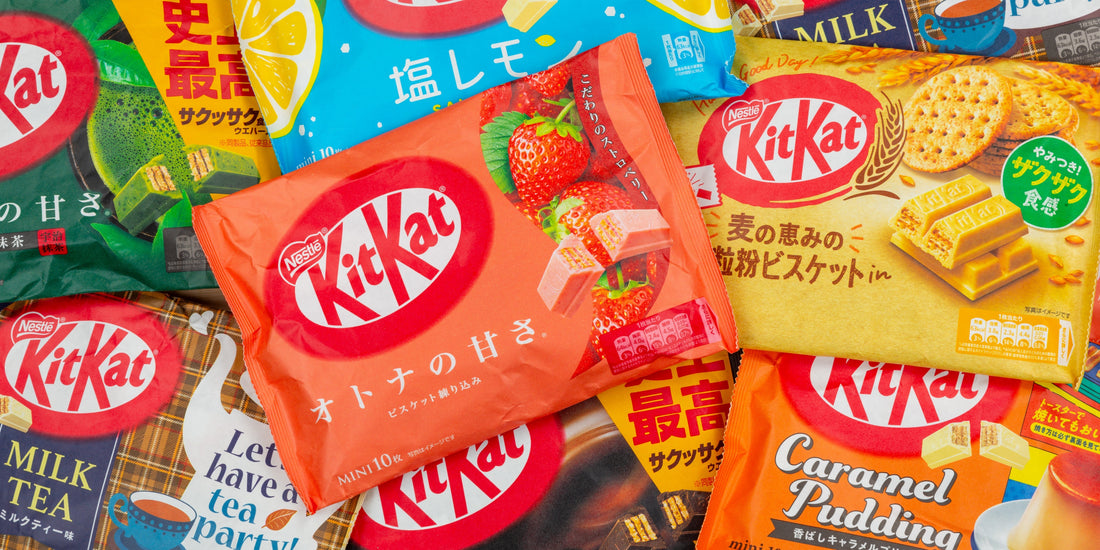
Table of Contents
- Core Ingredients and Formulation Base
- The White Chocolate and Flavor Infusion Matrix
- Flavor Profile: Essential Japanese KitKat Flavors Recipe Facts
- Nutritional Breakdown and Botanical Synergy
- Conclusion
Core Ingredients and Formulation Base
When analyzing the massive commercial success of this globally recognized brand in the Asian market, the primary differentiator lies in the precise, scientifically engineered blending of its regional flavor profiles applied to the classic wafer base.
The foundation of the biscuit relies on high-quality wheat flour wafers. A major chemical difference in the Japanese formulations, particularly the “Otona no Amasa” (Adult Sweetness) line, is the intentional reduction of raw sucrose. Asian consumer market testing heavily favors “less sweet” profiles, prompting Nestlé to reformulate the chocolate coating to highlight the botanical or fruity flavors rather than overwhelming the palate with pure sugar.
The White Chocolate and Flavor Infusion Matrix
A critical element within the manufacturing cycle is the heavy industrial reliance on a highly adaptable white chocolate base for non-cocoa flavors.
To create the vibrant colors and complex flavors, Nestlé Japan utilizes a premium white chocolate compound (rich in cocoa butter and specialized vegetable fats). This white chocolate acts as a blank canvas. Real, finely milled botanical powders—such as Uji matcha green tea leaves, freeze-dried strawberry powder, or even roasted soybean flour (kinako)—are aggressively blended into the liquid chocolate immediately before the enrobing process. This processing method guarantees authentic flavor delivery rather than relying entirely on synthetic chemical aromatics.
Flavor Profile: Essential Japanese KitKat Flavors Recipe Facts
The most distinctive physical characteristic of the biscuit upon opening the package is its robust, highly aromatic flavor profile and striking visual color, which is entirely unique to the Asian market.
Balancing Botanical, Fruity, and Sweet
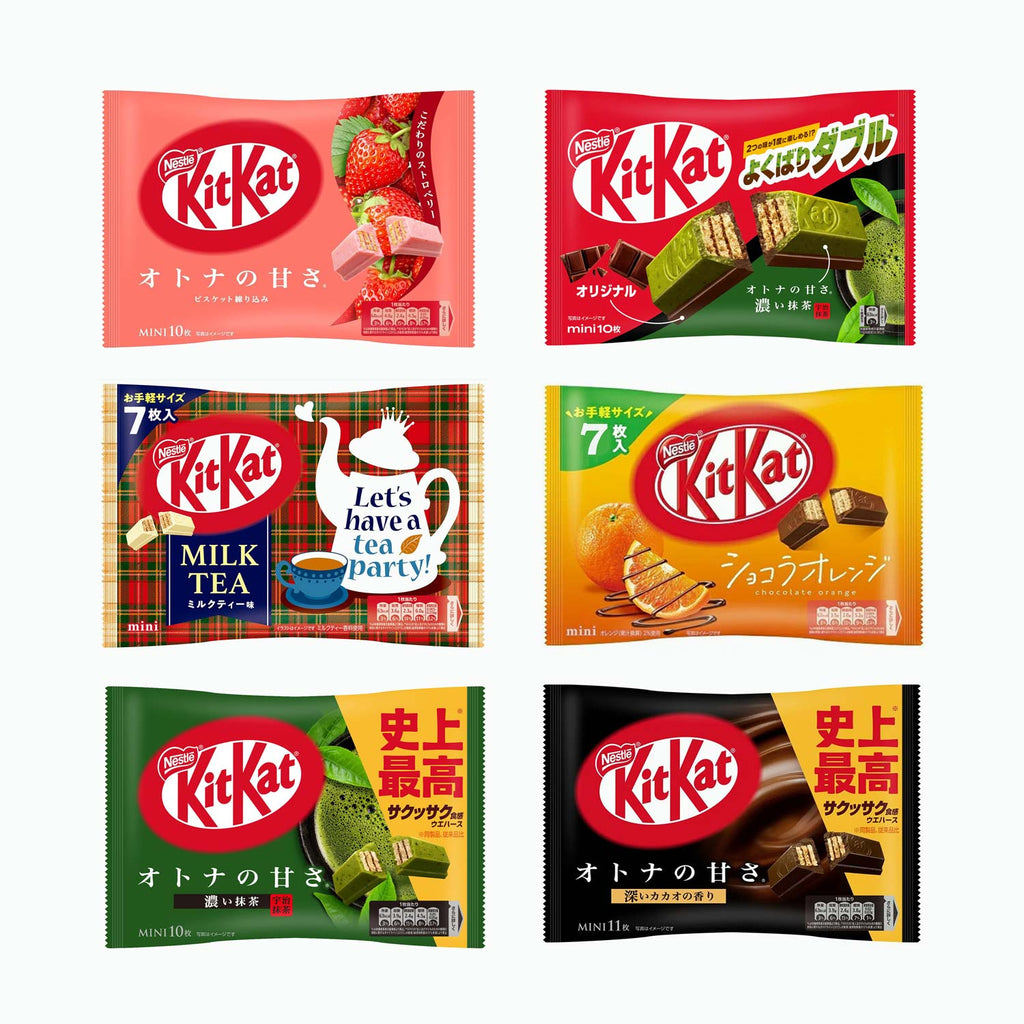
The Japanese KitKat Flavors Recipe Facts matrix is heavily characterized by bold regional gastronomy:
- Rich Matcha (Green Tea): A sophisticated, slightly floral, and incredibly earthy flavor profile. It utilizes real powdered tea leaves to provide a slightly bitter contrast to the sweet cream, highly popular among adult demographics.
- Fruity Variants (Strawberry, Peach, Banana): Provides bright, tart, and intensely sweet fruit bursts that appeal massively to all ages.
- Dessert & Beverage Variants: Combinations like Cookies & Cream, Salted Caramel, and Matcha Latte mimic popular café beverages and desserts, offering complex, multi-layered tasting experiences.
Nutritional Breakdown and Botanical Synergy
To fully grasp the commercial appeal, FMCG distributors must analyze the macro-nutritional profile. A standard mini bar (approx. 11g) is carefully calibrated for optimal flavor density while maintaining structural shelf life.
| Nutritional Component | Content per Mini (Approx. 11g) | Primary Function in the Blend |
| Total Energy (Calories) | ~60 – 65 kcal | Provides rapid caloric energy from the wheat base and sugar. |
| Carbohydrates | ~7g | The core structural component of the wafer and cream. |
| Total Sugars | ~5g | Reduced in “Adult Sweetness” versions, allowing botanical flavors to shine. |
| Total Fat | ~4g | Derived from cocoa butter and vegetable oils, providing the melt-in-mouth feel. |
Conclusion
Mastering the foundational flavor profile and manufacturing chemistry is the definitive key to understanding the brand’s unstoppable global retail velocity. From the powerful extraction of bold regional botanicals to the precision engineering of the baking process, every single element of this recipe is designed to deliver a premium, highly adventurous crunch. For international distributors and FMCG retailers, stocking these authentic Asian snacks guarantees access to a highly loyal consumer base. Contact your preferred procurement partner today to secure your wholesale allocation.
KitKat Flavor Formula FAQ
Disclaimer: Unless otherwise stated, the images used in this article are the property of their respective owners. We do not claim ownership of any third-party images featured, and they are used here strictly for informational and educational purposes. If you are the copyright holder and wish to have an image removed, please contact us.